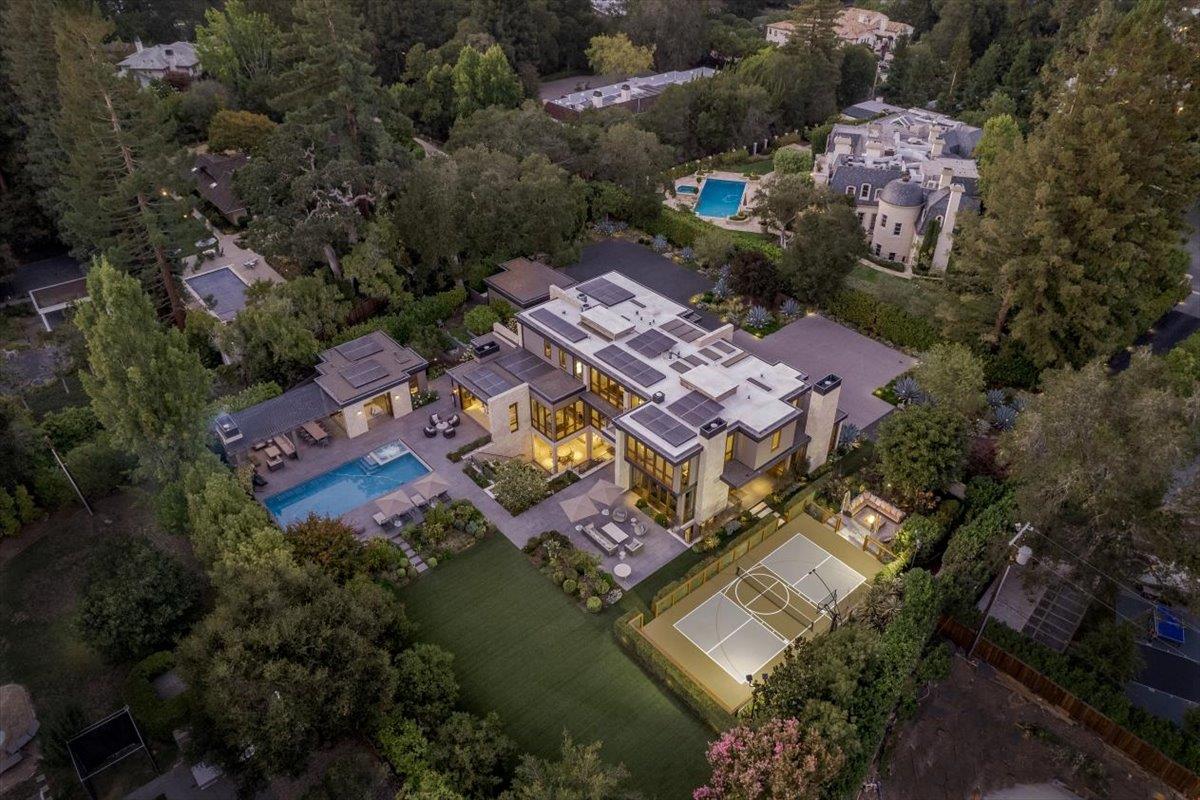
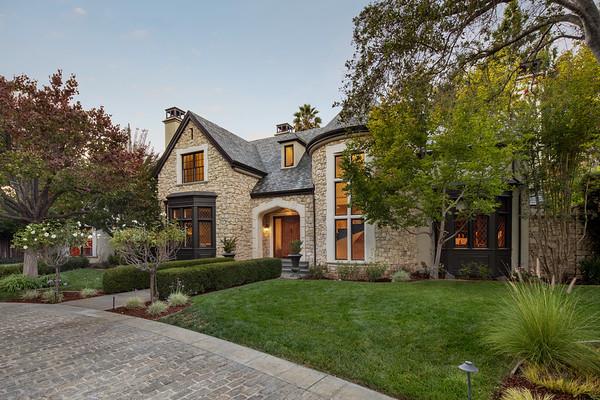
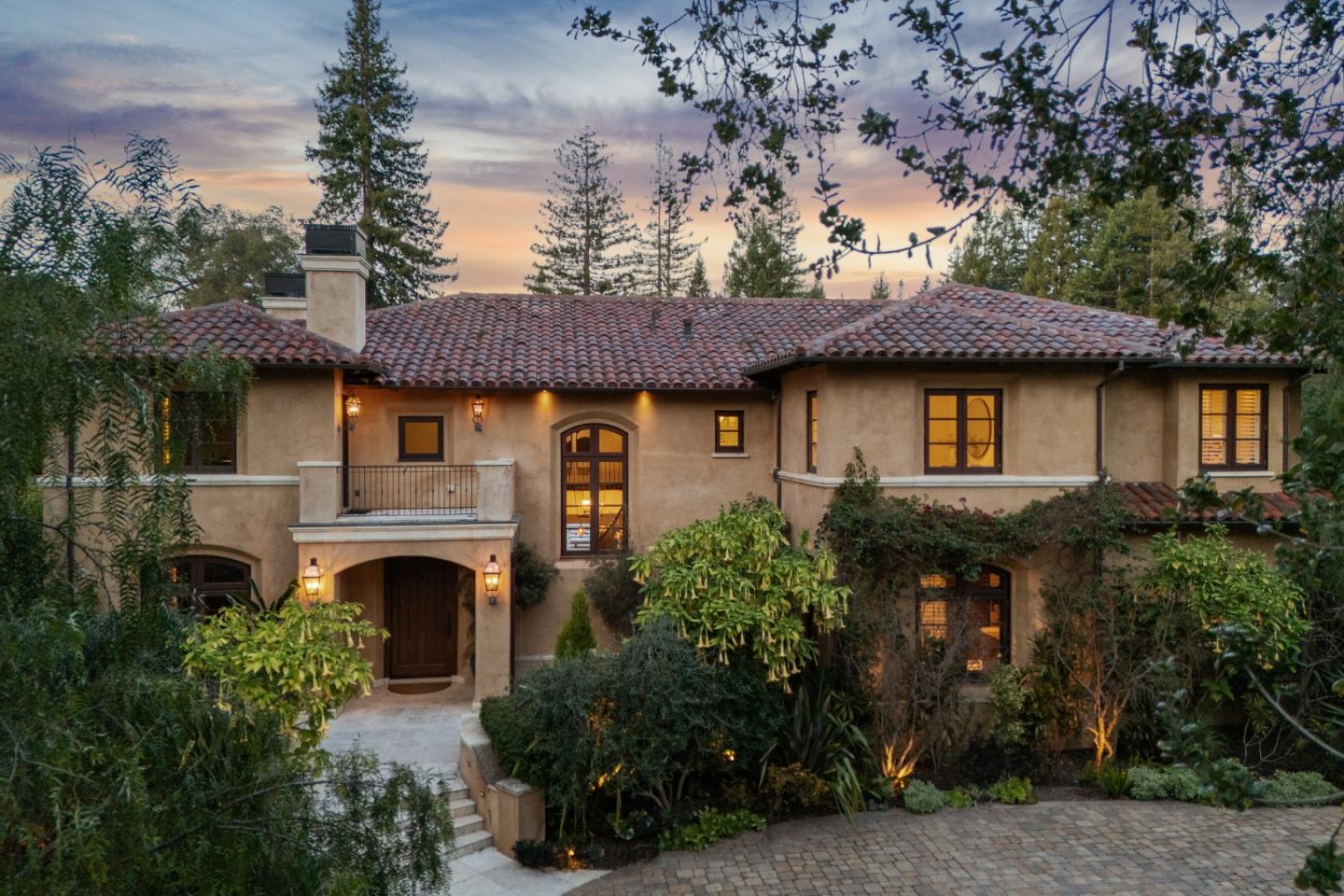
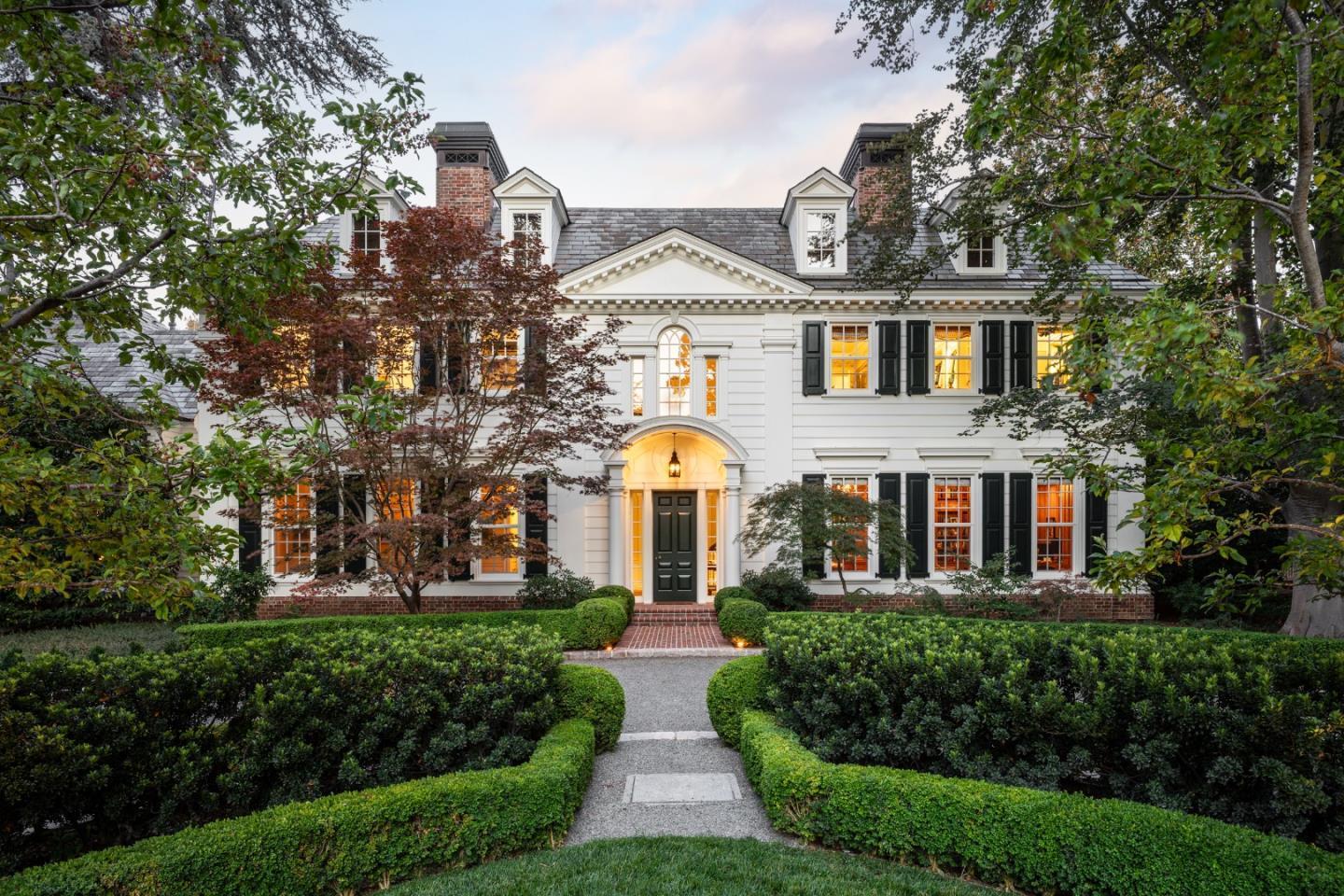
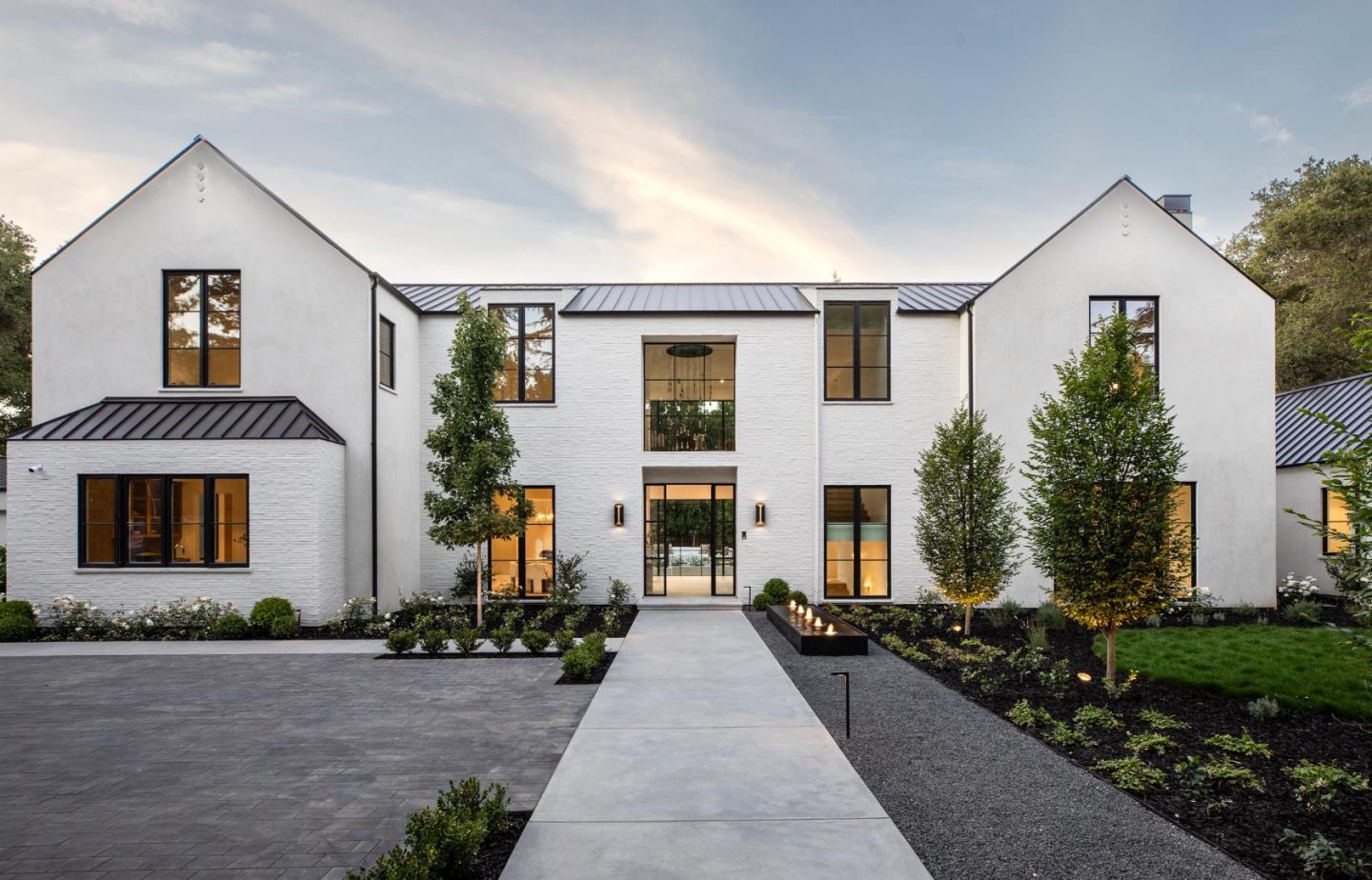
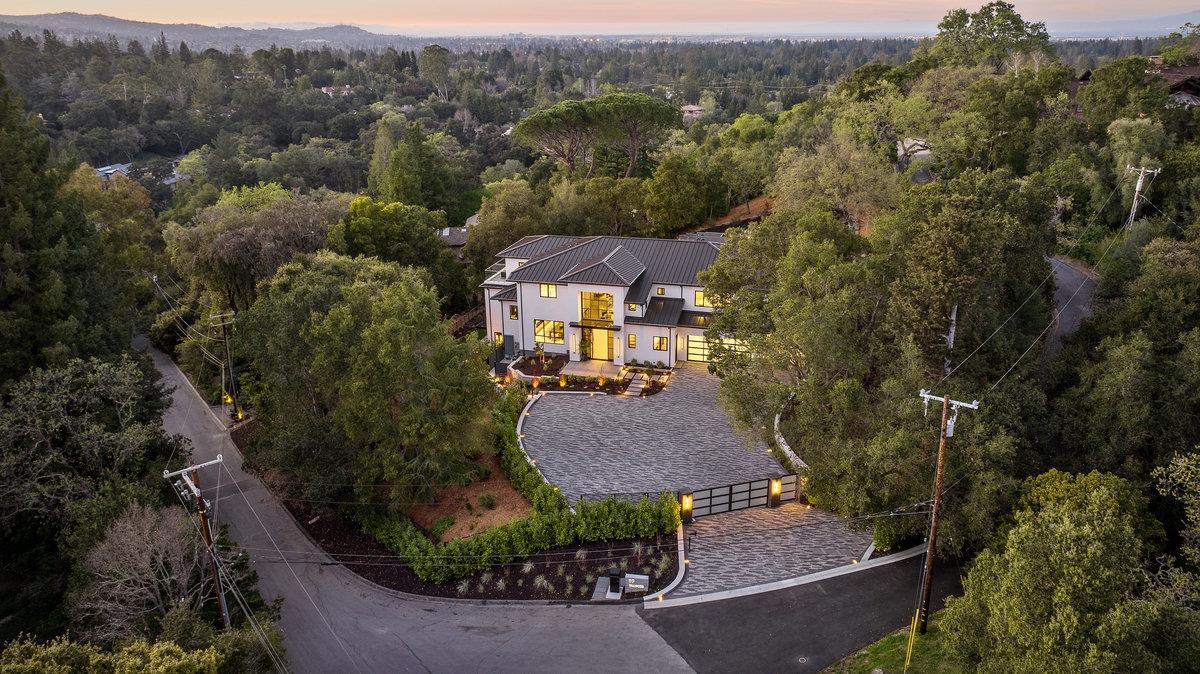
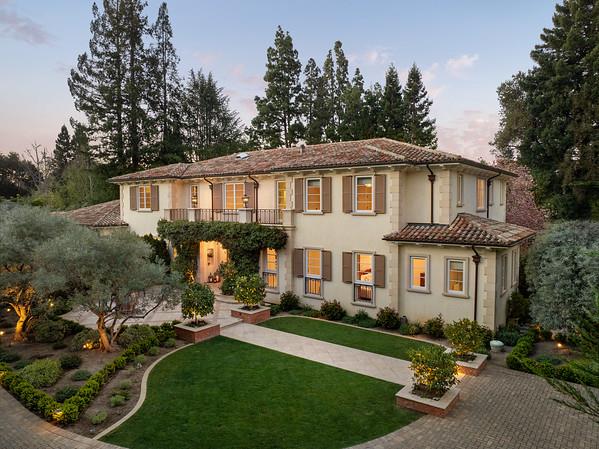
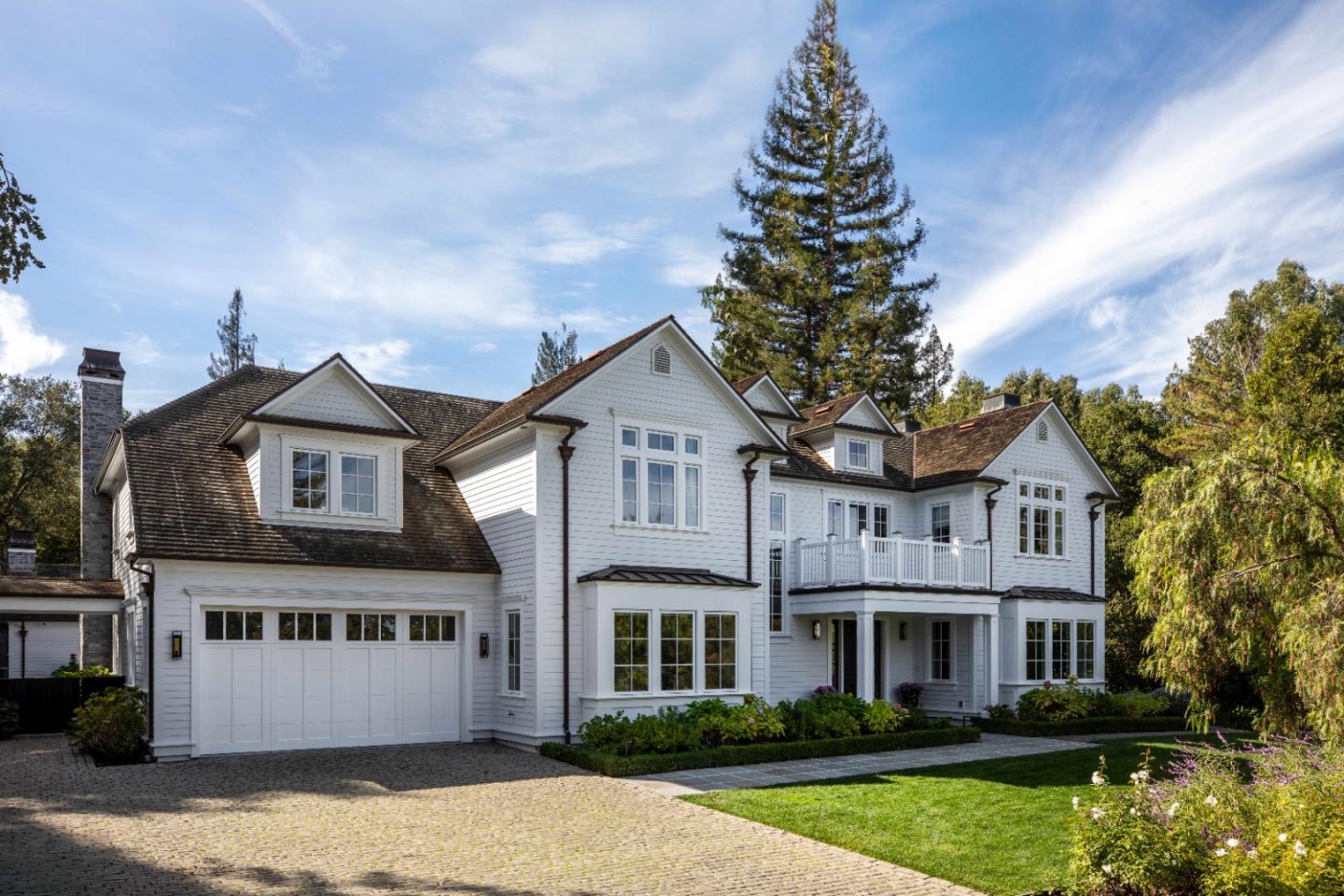
Milad Real Estate’s REALTORS® represent Menlo Park buyers and sellers with property-specific analysis, local market knowledge, negotiation strategy and guidance from the first conversation through closing.
Choosing the right Menlo Park real estate agent requires more than finding someone who can arrange showings, prepare an offer, or place a property on the MLS.
Menlo Park is a highly varied residential market. A home in Central Menlo can differ substantially from one in Sharon Heights, Allied Arts, The Willows, Belle Haven, or West Menlo Park in lot size, housing character, jurisdiction, pricing, redevelopment potential, and buyer demand.
At Milad Real Estate, we represent buyers and sellers with an approach that combines local brokerage experience, detailed property analysis, strategic negotiation, and practical understanding of the legal and development issues that can affect residential real estate.
Aria Vatankhah is both a California real estate broker and attorney, with experience involving residential transactions and property development. That background allows Milad Real Estate to evaluate not only comparable sales and market conditions, but also property-specific issues such as easements, permits, lot configuration, development constraints, contract terms, and due-diligence risk.
Our objective is to help clients understand the property, the market, and the transaction before making important decisions.
Looking for current Menlo Park listings, recent home sales, and market statistics? Visit our Menlo Park Homes for Sale & Real Estate Market page.
Researching neighborhoods and what it is like to live in Menlo Park? Visit our Menlo Park Neighborhood & Community Guide.
Menlo Park is not one uniform housing market.
Two homes with similar square footage can have very different values because of neighborhood, lot size, school district, jurisdiction, street setting, condition, architecture, redevelopment potential, proximity to Stanford, and other property-specific characteristics.
Milad Real Estate evaluates Menlo Park real estate from several perspectives at the same time.
This broader analysis can be particularly valuable in Menlo Park because properties with similar addresses or lot sizes may be subject to different rules or appeal to very different buyers.
Begin with a purchase brief that distinguishes requirements from preferences: the streets you would consider, your daily destinations, the space you need and your appetite for renovation. Compare a move-in-ready home with an older property on the same basis: purchase price, likely work, timing and unresolved questions.
For each serious candidate, discuss a shortlist of relevant closed sales, current competing homes and the reasons a seemingly similar property belongs outside the comparison. Lot configuration, condition, floor plan and jurisdiction can matter more than a town-wide price-per-square-foot average.
Before deciding on an offer, identify the documents and specialist opinions the decision depends on. That may include disclosures, inspection findings, permit records, title exceptions, an HOA package or a preliminary discussion with a design professional. Agree on negotiation priorities and acceptable risks before the pace of a transaction forces the issue.
We begin by identifying the characteristics that matter most to the buyer.
Depending on the client, priorities may include:
Menlo Park offers a much wider range of residential environments than many buyers initially realize, so neighborhood selection should be tied to the client's actual priorities rather than simply price range.
Before making an offer, buyers should understand how the property compares with relevant recent sales.
Price per square foot can be useful, but it may be misleading if the comparable properties differ substantially in lot size, condition, jurisdiction, architecture, location, or redevelopment potential.
We consider factors such as:
Our objective is to help the buyer understand both the quantitative data and the property-specific characteristics that may justify a premium or discount.
Menlo Park transactions can involve substantial documentation and property-specific questions.
Depending on the home, buyers may need to consider:
We help buyers organize the information, identify issues that deserve further attention, and coordinate with inspectors, contractors, architects, engineers, surveyors, attorneys, arborists, or other qualified professionals when appropriate.
One of the most important due-diligence questions in the broader Menlo Park market is jurisdiction.
Some properties with Menlo Park mailing addresses are located in unincorporated San Mateo County rather than within the incorporated City of Menlo Park.
That distinction can affect zoning, permitting, development standards, services, and other property-specific considerations.
Buyers should confirm the governing jurisdiction before relying on assumptions about what can be remodeled, expanded, or built.
A successful offer involves more than purchase price.
Financing, contingencies, deposit, timing, possession, inspections, appraisal considerations, seller preferences, and certainty of closing can all influence how an offer is evaluated.
We help buyers understand the tradeoffs among price, terms, and risk so that an offer can be structured deliberately rather than reactively.
Our goal is not simply to win an offer. It is to help the client pursue the property on terms they understand and can accept.
How our Menlo Park listing agents prepare and price a home
A seller’s strategy should answer three questions: who is the likely buyer, which preparation decisions will help that buyer understand the property, and what evidence supports the asking price? A remodeled residence, an original home with a useful floor plan and a potential redevelopment site need different explanations.
Build the pricing discussion around a dated comparable-sale set and the alternatives a buyer can purchase now. Separate verified facts from adjustments that require judgment. A different jurisdiction, materially different lot or extensive renovation can make a nearby sale a poor benchmark.
Agree on preparation priorities and a property-specific marketing scope before spending. The proposed scope should identify photography and floor-plan needs, staging decisions, the property story, distribution channels, showing arrangements and how buyer feedback will inform the next decision. Costs, included services and timing belong in the agreed plan.
Pricing begins with relevant comparable sales, but those sales must be selected carefully.
We also consider:
The objective is to establish a pricing and positioning strategy that reflects both the market and the characteristics that distinguish the individual property.
Not every property needs a major renovation before sale.
In many cases, focused preparation can produce a better balance of cost, timing, and presentation.
Recommendations may include:
We help sellers distinguish between improvements likely to strengthen the property's presentation and work that may add cost or delay without a proportionate return.
Marketing should be built around the property and the audience most likely to value it.
Depending on the home, the plan may include:
The strategy should reflect the home's price range, location, condition, and likely buyer rather than simply maximize traffic without regard to quality.
The highest stated price is not necessarily the strongest overall offer.
We help sellers evaluate:
When several offers are involved, we compare the complete structure of each proposal before advising the seller on acceptance, counteroffers, or further negotiation.
Discuss Selling Your Menlo Park Home
An address that says Menlo Park is the starting point for an investigation, not a substitute for identifying the parcel’s governing jurisdiction. Before assigning value to an expansion, ADU or replacement home, confirm the applicable authority, existing approvals and the records that support the proposed use.
Keep three alternatives separate: use the home substantially as it is; renovate or expand; or investigate replacement. Compare the evidence needed, the likely disruption and the unresolved cost assumptions for each. A conceptual opportunity should not be priced as an approved project.
For buyers, that comparison helps set a defensible acquisition budget. For sellers, it helps explain existing utility and potential without presenting unapproved square footage as an entitlement.
A significant portion of Menlo Park's housing stock includes older homes that have been remodeled to different standards over time.
For some buyers, the existing home may already meet their needs. Others may be considering a targeted renovation, substantial expansion, or replacement construction.
The appropriate decision depends on more than the age of the home.
Important considerations can include:
This analysis can materially affect how much a buyer should be willing to pay for an older property.
Menlo Park also offers condominiums and townhomes for buyers seeking alternatives to detached single-family ownership.
For attached properties, the analysis should include both the residence and the homeowners association.
Important issues may include:
We help buyers organize HOA documents and identify issues that may deserve further review by the appropriate legal, insurance, financial, or other professionals.
Milad Real Estate combines local real estate brokerage experience with Aria Vatankhah's legal background and practical experience evaluating property-development issues.
The purpose is not to turn every real estate transaction into a legal matter. It is to recognize issues that may materially affect value, risk, or negotiation and help clients investigate them before making major decisions.
Milad Real Estate is based in Menlo Park and works throughout the surrounding Peninsula.
That local perspective is useful because Menlo Park buyers frequently compare properties with Atherton, Palo Alto, Woodside, Portola Valley, Redwood City, and other neighboring markets.
Representing both sides of residential transactions provides useful perspective.
When advising a buyer, we consider the issues likely to influence the seller.
When advising a seller, we anticipate the questions buyers are likely to raise regarding value, disclosures, condition, development potential, and transaction terms.
Menlo Park properties are too varied for a one-size-fits-all approach.
We evaluate market data together with the property's neighborhood, lot, condition, architecture, jurisdiction, constraints, and potential.
Negotiation extends well beyond price.
Contingencies, financing, timing, deposits, inspections, credits, possession, and closing certainty can all materially affect the transaction.
We evaluate those terms together rather than treating each issue in isolation.
Residential transactions involve disclosures, inspections, deadlines, vendors, lenders, escrow, title, and numerous documents and decisions.
We remain involved throughout the process and help clients keep the transaction organized from contract through closing.
Menlo Park contains several distinct residential markets, including Central Menlo, Sharon Heights, Allied Arts, The Willows, Linfield Oaks, Felton Gables, Belle Haven, Downtown Menlo Park, and the broader West Menlo Park area.
Those areas can differ substantially in lot size, housing style, walkability, jurisdiction, school assignment, proximity to Stanford, development potential, and pricing.
That is why comparable sales should generally be selected with close attention to neighborhood and property characteristics rather than relying only on citywide averages.
For detailed information about Menlo Park neighborhoods, schools, parks, Downtown, Stanford access, transportation, and community life, visit our Menlo Park Neighborhood & Community Guide.
Inventory, recent sales, median prices, days on market, and buyer activity change throughout the year.
For current listings, recent sales, market statistics, neighborhood-level pricing, and Milad Real Estate's latest Menlo Park market analysis, visit our Menlo Park Homes for Sale & Real Estate Market.
Actual transaction history and client experience provide stronger evidence of local market activity than generic claims about expertise.
We begin by understanding the client's objectives, timing, property requirements, concerns, and priorities.
For buyers, this includes available properties, comparable sales, disclosures, property characteristics, jurisdiction, and potential risks.
For sellers, this includes the home, lot, comparable sales, competing inventory, preparation options, pricing, and likely buyer audience.
We develop a plan around the individual property and transaction rather than relying on a standard formula.
For buyers, this may include tours, disclosure review, inspections, specialist consultations, valuation, and offer preparation.
For sellers, this may include inspections, repairs, vendor coordination, staging, photography, marketing, and showing preparation.
We assist with offer structure, negotiation, documentation, deadlines, inspections, transaction coordination, and communication through closing.
After closing, we remain available for real estate resources, professional referrals, property questions, and future transactions.
Start with the closed date and source, then compare neighborhood, jurisdiction, lot dimensions, living area, condition and transaction circumstances. Record why each sale was selected and which differences cannot be measured reliably. Asking prices describe competition; they do not establish what a buyer actually paid.
A useful review ends with a range and its assumptions, not a precise number unsupported by the evidence. If a property’s appeal depends on future work, show the value discussion with and without that assumption. Ask us to discuss the comparison behind your purchase or sale.
Look for an agent who understands Menlo Park's neighborhood differences, property types, jurisdictional issues, lot characteristics, comparable sales, and transaction dynamics.
Communication, responsiveness, negotiation ability, due-diligence experience, and the ability to explain a clear strategy for the individual property are also important.
Local experience can be particularly useful because Menlo Park contains several distinct submarkets and because properties with Menlo Park addresses may not all be governed by the same jurisdiction.
An agent familiar with those differences can generally provide more useful context when selecting comparable sales and evaluating a property.
A buyer's agent can assist with property identification, comparable-sale analysis, disclosures, due diligence, inspections, jurisdiction questions, offer preparation, negotiation, and transaction management through closing.
A listing agent can evaluate the property, advise on preparation, develop pricing and positioning, coordinate marketing, manage showings, evaluate buyers and offers, negotiate terms, and oversee the transaction through closing.
A Menlo Park home's value depends on more than square footage.
Neighborhood, lot size, jurisdiction, condition, architecture, improvements, floor plan, redevelopment potential, recent comparable sales, competing inventory, and current buyer demand can all materially affect value.
A property-specific market analysis is generally more useful than relying exclusively on an automated estimate.
Not necessarily.
Some properties benefit from targeted repairs, painting, landscaping, staging, or cosmetic improvements without requiring a major remodel.
The appropriate strategy depends on the property's condition, likely buyer audience, cost of the work, timing, and expected impact on marketability.
Many eligible properties may support an accessory dwelling unit, subject to applicable State law and local requirements.
The appropriate size, location, setbacks, configuration, and permitting path depend on the individual property and governing jurisdiction.
Some qualifying single-family properties may be eligible for development options under California's SB 9 framework.
Eligibility and actual development potential should be verified for the individual property rather than assumed from lot size or zoning alone.
Not entirely.
Some properties commonly associated with West Menlo Park or carrying Menlo Park mailing addresses are located in unincorporated San Mateo County.
That distinction can affect zoning, permitting, and development rules, so the governing jurisdiction should be confirmed for the individual property.
Yes.
Coordinating a purchase and sale can involve financing, contingencies, possession, timing, temporary housing, and risk-management decisions.
We can help develop a sequence and transaction strategy based on the client's particular circumstances.
Yes. Milad Real Estate represents both buyers and sellers in Menlo Park and surrounding Peninsula communities.
Milad Real Estate also serves Atherton, Palo Alto, Woodside, Portola Valley, Los Altos, Los Altos Hills, Redwood City, and surrounding Silicon Valley and Peninsula communities.
Whether you are beginning a home search, preparing a property for sale, comparing neighborhoods, evaluating redevelopment potential, reviewing an older home, or simply considering your next move, Milad Real Estate can help you analyze the options and develop a strategy around the individual property.
Contact us to discuss your Menlo Park real estate goals.
Discuss your Menlo Park purchase. In your message, include your preferred area, timing and the properties or home characteristics you want to discuss.
Plan your Menlo Park sale. Tell us the property address and your likely timing so we can begin with the right pricing and preparation questions.
Discuss your property’s value. Share the address and whether you are considering a sale, purchase or future work. You can also explore the value of your property before deciding to sell.



Start Your Property Search