If you are considering buying a home in Portola Valley, California, you may be wondering whether winter will bring more properties to the market or create opportunities to purchase with less competition.
Portola Valley is one of Silicon Valley's most distinctive residential communities, known for its spacious properties, wooded hillsides, privacy, and proximity to Menlo Park, Palo Alto, and major technology employment centers.
However, finding a home in Portola Valley can be challenging because relatively few properties are available for sale at any given time.
As winter 2026–2027 approaches, prospective buyers face an important question: Will more homes become available during the winter months, or should they expect to wait until spring?
For homeowners considering selling, the question is equally important. Should they list their property during winter, when fewer homes compete for buyer attention, or wait until the traditionally more active spring market?
The answer depends on seasonal trends, property characteristics, buyer activity, and the condition of the local housing market.
What Is Happening in the Portola Valley Housing Market in Late 2026?
Portola Valley continues to have a relatively small residential real estate market, particularly compared with larger Silicon Valley communities.
According to MLSListings' October 2026 statistics, the median sale price for single-family homes in Portola Valley was approximately $4,550,000.
The market recorded nine active single-family listings, six new listings, four pending sales, and seven closed transactions during October.
Portola Valley Market Indicator | October 2026 |
|---|---|
Median single-family sale price | $4,550,000 |
Average single-family sale price | $6,435,714 |
Active listings | 9 |
New listings | 6 |
Pending sales | 4 |
Closed sales | 7 |
Median days on market | 12 |
Average days on market | 38 |
These figures illustrate the relatively limited number of homes changing hands in Portola Valley.
Because only seven single-family homes closed during October, the median sale price can be strongly influenced by the particular properties sold.
A newly constructed estate on several acres may sell for substantially more than an older residence on a smaller lot. Consequently, monthly price changes should not automatically be interpreted as changes in the value of every Portola Valley home.
Buyers and sellers should evaluate recent comparable transactions rather than relying exclusively on the town's overall median price.
Source: MLSListings — Portola Valley Market Statistics.
1. Do More Homes Usually Come on the Market During Winter?
Historically, winter is one of the quieter periods for residential real estate activity in Silicon Valley.
Many homeowners prefer to list their properties during spring, when days are longer, landscaping may be more attractive, and more buyers are actively searching.
During November and December, holidays, travel plans, and other personal commitments can reduce both listing activity and buyer showings.
Portola Valley follows a similar seasonal pattern.
Historical local market data indicates that the number of completed home sales typically reaches relatively low levels during December and January, while activity generally increases in the spring.
However, it is important to distinguish between new listings and closed sales. A home that closes in January may have received an accepted offer in December or even earlier.
Therefore, lower winter sales volume does not necessarily mean that buyer demand has disappeared.
For winter 2026–2027, there is no reliable basis to assume that Portola Valley will experience a substantial increase in available homes. Seasonal patterns suggest fewer new listings may be more likely than a surge in inventory, although individual homeowners can list at any time.
2. Why Is Housing Inventory So Limited in Portola Valley?
Portola Valley has several characteristics that contribute to its limited housing inventory.
Unlike more urban Peninsula communities, Portola Valley contains relatively low-density residential neighborhoods, large parcels, protected open spaces, and hillside properties.
Many homeowners purchase properties for long-term occupancy and remain in the community for years.
The town's geographic characteristics, development standards, and limited availability of suitable land also constrain opportunities for extensive new residential construction.
Consequently, buyers searching for a specific type of property may encounter relatively few suitable listings.
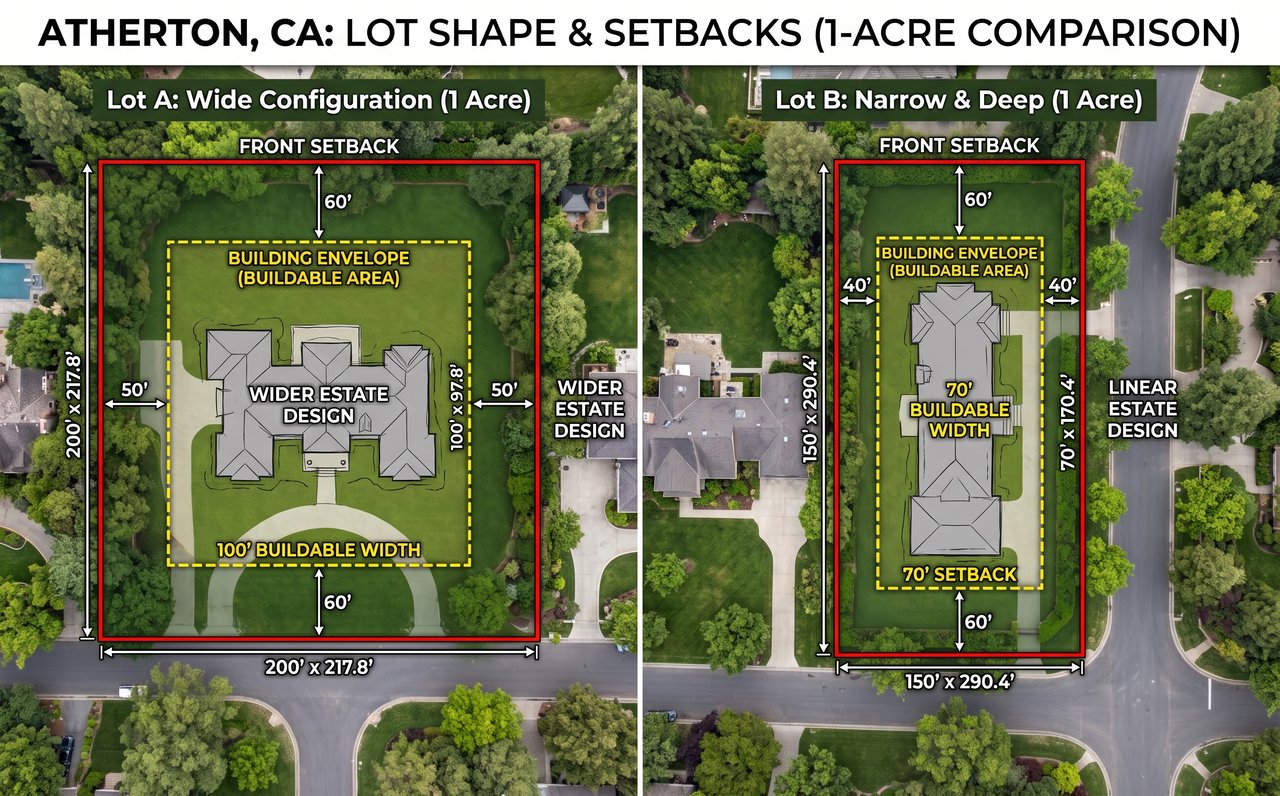
For example, a buyer seeking a modern single-story residence on a relatively level one-acre parcel may face a very different inventory situation from someone willing to purchase an older hillside home requiring renovations.
These differences make property-specific research particularly important.
3. Could Winter Offer Buyers Less Competition?
Although fewer homes may be listed during winter, fewer buyers may also be actively searching.
Some purchasers postpone their searches until spring because of work schedules, travel, holidays, or plans to relocate later in the year.
This can create opportunities for buyers who remain active during the winter months.
For example, a property that has been on the market for several weeks may have a seller who is more willing to discuss price, closing dates, repairs, or other contractual terms.
However, less buyer activity does not automatically mean that every seller will negotiate.
Desirable homes with appropriate pricing may continue to attract serious interest regardless of the season.
In a small market such as Portola Valley, a single exceptional property can attract multiple buyers even during the quietest time of year.
Buyers should therefore evaluate the individual property and seller's circumstances rather than assume that winter guarantees discounts.
4. What Types of Portola Valley Homes Might Become Available This Winter?
Winter listings can include a variety of property types, although the mix changes from year to year.
Some homeowners may need to sell because of relocation, estate planning, changes in household needs, or other personal circumstances.
Other properties may remain available after being listed earlier in the year.
Buyers may encounter:
- Established family homes: Residences with traditional floor plans, mature landscaping, and convenient neighborhood locations.
- Luxury estates: Larger properties featuring custom architecture, privacy, views, and extensive amenities.
- Older homes with remodeling potential: Properties that may appeal to buyers seeking renovation opportunities.
- Redevelopment-oriented properties: Homes where the land and potential for future construction are important considerations.
- Hillside residences: Properties offering scenic settings but potentially requiring additional investigation of terrain, access, and geologic conditions.
The availability of these property types cannot be predicted with certainty.
Buyers should establish their purchasing criteria in advance so they can evaluate suitable opportunities when they appear.
5. Does Winter Affect the Value of Portola Valley Homes?
Seasonal changes in housing activity do not necessarily translate into equivalent changes in property values.
Portola Valley's small transaction volume makes monthly market statistics especially sensitive to the characteristics of individual sales.
For example, the sale of several high-value estates during one month could increase the reported median price substantially.
Conversely, a month dominated by older or smaller properties could show a lower median even if comparable homes have not experienced meaningful price declines.
For buyers, the relevant factors include:
- Recent comparable sales.
- Lot size and usable building area.
- Location and neighborhood characteristics.
- Condition and quality of improvements.
- Property access and topography.
- Insurance and maintenance expenses.
- Current competition from similar listings.
A property that is appropriately priced relative to comparable sales may represent an attractive opportunity regardless of the season.
6. Why Portola Valley Continues to Attract Silicon Valley Buyers
Portola Valley offers a residential environment that differs significantly from many surrounding communities.
Its semi-rural character, mature trees, open spaces, and extensive trail network contribute to its appeal.
The Town of Portola Valley maintains a network of trails for walking, hiking, and equestrian activities, including access to areas such as Coal Mine Ridge and nearby Windy Hill Open Space Preserve.
Residents also enjoy relatively convenient access to Menlo Park, Palo Alto, Stanford University, and the broader Silicon Valley economy.
For some buyers, the combination of privacy and proximity to major employment centers makes Portola Valley particularly attractive.
The community's residential appeal extends beyond individual home features to include its natural setting and access to outdoor recreation.
Additional information about local recreational amenities is available through the Town of Portola Valley's trail resources.
7. Should Buyers Be More Careful With Winter Property Inspections?
Winter can provide useful opportunities to evaluate property conditions that may be less apparent during dry weather.
Portola Valley's hillside terrain and seasonal rainfall make drainage, moisture intrusion, and slope conditions particularly important.
Depending on the property, buyers should consider investigating:
- Roof condition and evidence of leaks.
- Surface drainage and stormwater management.
- Water intrusion around foundations and retaining walls.
- Hillside erosion and soil movement.
- Driveway drainage and access conditions.
- Condition of septic systems or sewer connections.
- Vegetation and tree-related maintenance.
- Past geotechnical reports and permitted improvements.
Wet weather may reveal drainage problems, but it does not replace professional inspections.
Properties with steep terrain, prior ground movement, or substantial retaining walls may warrant evaluation by qualified geotechnical or structural professionals.
Buyers should also review natural hazard disclosures, permit records, and other property-specific information before removing applicable contractual contingencies.
8. Wildfire Insurance Remains Important Even During Winter
Although winter often brings cooler temperatures and seasonal rainfall, wildfire exposure remains an important consideration for Portola Valley property owners.
Wooded terrain, vegetation, topography, and access conditions can influence a property's wildfire risk and insurance availability.
Before purchasing, buyers should obtain appropriate homeowners insurance quotes and confirm that coverage is available on acceptable terms.
Important issues may include:
- Fire hazard severity zone designations.
- Insurance premiums and deductibles.
- Building construction materials.
- Defensible space and vegetation management.
- Emergency access and evacuation considerations.
- Property maintenance requirements.
Insurance costs can vary considerably between properties, even within the same community.
Obtaining insurance information early can help buyers evaluate the property's total ownership expenses and avoid delays during escrow.
9. Is Winter a Good Time to Sell a Home in Portola Valley?
For homeowners, winter presents a different set of considerations.
The most obvious disadvantage is that fewer buyers may be actively searching during the holiday season.
Shorter daylight hours, rain, and winter landscaping conditions can also affect property presentation and scheduling.
However, listing during winter may offer certain advantages.
With fewer competing homes available, a desirable property may receive greater attention from buyers who are ready to purchase.
Winter buyers may also have specific reasons for moving, such as employment changes, relocation, or personal deadlines.
However, buyers' motivations cannot be assumed solely from the season.
For sellers, the decision should depend on property readiness, current inventory, comparable sales, and personal objectives rather than a general assumption that spring is always better.
10. Should Portola Valley Homeowners Wait Until Spring to List?
Spring traditionally brings increased real estate activity throughout much of Silicon Valley.
More buyers may begin searching, and longer daylight hours can improve opportunities for property showings and marketing.
Portola Valley properties with extensive gardens, outdoor entertainment areas, or attractive landscaping may also photograph particularly well during spring.
However, sellers who wait may encounter greater competition from other properties entering the market.
For example, an appropriately priced home listed in January may have relatively few comparable properties competing for buyer attention.
The same home listed in April could attract more buyers but also face a larger number of competing listings.
There is no guarantee that either scenario will produce a higher sale price.
A well-informed listing decision should compare current inventory, recent transactions, seasonal conditions, and the property's likely buyer profile.
11. How Can Sellers Prepare a Portola Valley Home for a Winter Sale?
Winter marketing requires particular attention to lighting, property condition, and outdoor presentation.
Because Portola Valley homes often feature significant landscaping and natural surroundings, sellers should ensure that the property remains inviting despite seasonal weather.
Recommended preparations may include:
- Cleaning gutters, roof drains, and drainage areas.
- Addressing visible water intrusion or maintenance concerns.
- Improving exterior lighting and safe access pathways.
- Maintaining landscaping and removing fallen debris.
- Providing clear information about heating and major building systems.
- Using professional photography that accurately presents the home.
- Preparing relevant inspection reports and property disclosures.
- Highlighting privacy, views, interior comfort, and year-round amenities.
For luxury estates, professional marketing may include architectural photography, floor plans, videography, and carefully scheduled private showings.
When available and accurate, photographs taken during a more favorable season can also help illustrate gardens, outdoor living areas, and property features that may be less visible during winter.
12. How Should Buyers Prepare for Winter Listings?
Buyers considering a Portola Valley purchase during winter should prepare before a suitable property becomes available.
Because inventory is limited, waiting until a desirable home appears to arrange financing and begin market research can create unnecessary delays.
Useful steps include:
- Establish a realistic budget: Evaluate the purchase price, financing costs, property taxes, insurance, maintenance, and potential improvements.
- Arrange financing: Obtain appropriate mortgage preapproval or confirm available purchase funds.
- Identify preferred neighborhoods: Determine which locations and property characteristics meet your needs.
- Review comparable sales: Understand how lot size, improvements, and location influence value.
- Monitor new listings: Follow newly available properties as well as homes that remain on the market.
- Evaluate property risks: Investigate geology, drainage, septic systems, wildfire exposure, and other relevant conditions.
- Understand purchase contract terms: Review financing, appraisal, investigation contingencies, and deadlines before making an offer.
Preparation allows buyers to evaluate new opportunities carefully without making rushed decisions.
13. Will More Portola Valley Homes Become Available in Spring 2027?
Historical market patterns suggest that residential listing and sales activity will likely become more active as winter transitions into spring.
However, the exact number of properties that will enter the market in 2027 cannot be predicted reliably.
New listings will depend on homeowners' decisions, economic circumstances, market confidence, mortgage rates, and other factors.
In a small market such as Portola Valley, even a relatively modest change in the number of homes offered for sale can materially affect the choices available to buyers.
Prospective purchasers should therefore monitor inventory throughout winter rather than assume that spring will automatically provide a significantly larger or more affordable selection.
Likewise, homeowners should evaluate current buyer demand and competing listings before deciding whether to postpone a sale.
Frequently Asked Questions About Portola Valley Winter Real Estate
Are there homes for sale in Portola Valley during winter?
Yes. Residential properties can be listed and sold throughout the year. However, winter typically experiences fewer new listings and lower sales activity than the spring selling season.
How many homes were for sale in Portola Valley in October 2026?
MLSListings reported nine active single-family listings during October 2026, along with six new listings and seven closed sales.
Do Portola Valley home prices decline during winter?
Not necessarily. Seasonal sales activity may decline without corresponding price reductions. In a small luxury market, monthly median prices can also fluctuate significantly depending on the properties sold.
Is winter a good time to buy a home in Portola Valley?
Winter can offer opportunities for financially prepared buyers because there may be fewer active purchasers. However, available inventory is often limited, and desirable properties can still attract competition.
Should I sell my Portola Valley home in winter or wait until spring?
The appropriate timing depends on your property, personal circumstances, competing listings, and buyer demand. Winter may offer less competition from other sellers, while spring generally brings increased market activity.
What should buyers inspect when purchasing a hillside home during winter?
Drainage, water intrusion, retaining walls, slope stability, roof condition, septic systems, and site access deserve particular attention. Professional inspections should be tailored to the property's physical characteristics and known history.
Will Portola Valley have more homes for sale in 2027?
More listings may enter the market during the traditionally active spring season, but the precise number and types of available properties are uncertain.
Final Thoughts: What Should Portola Valley Buyers and Sellers Expect This Winter?
As winter 2026–2027 approaches, Portola Valley remains a relatively small, high-value residential market with limited available inventory.
Historical patterns suggest that winter will likely bring fewer new listings and reduced transaction activity compared with spring.
However, this does not mean that opportunities disappear during the winter months.
For buyers, fewer competing purchasers may create opportunities to evaluate and negotiate for suitable properties, particularly those that have remained available for an extended period.
For sellers, limited competing inventory can provide an advantage when a property is appropriately priced and professionally presented.
Ultimately, successful decisions depend on understanding the specific property, current market conditions, and individual financial goals.
Rather than waiting for a particular season to buy or sell, Portola Valley buyers and homeowners should focus on identifying favorable opportunities supported by relevant market data.
Explore Portola Valley Real Estate With Milad Real Estate
At Milad Real Estate, we help buyers and sellers navigate residential real estate transactions throughout Portola Valley, Woodside, Menlo Park, Atherton, Palo Alto, Los Altos, and surrounding Silicon Valley communities.
As both a real estate broker and attorney, Aria Vatankhah brings experience in property transactions, contractual matters, real estate development, and land-use considerations.
Whether you are searching for a Portola Valley residence this winter, evaluating a luxury hillside property, or preparing to sell your home, Milad Real Estate can help you assess local market conditions and available opportunities.
Explore Portola Valley homes for sale, visit our property valuation page, or contact Milad Real Estate to discuss your real estate goals.
Aria Vatankhah
Founder, Milad Real Estate
Real Estate Broker | Attorney at Law
Phone: 650-799-8168
Email: [email protected]
Sources:MLSListings — Portola Valley Market Statistics; Portola Valley Historical Market Trends; Town of Portola Valley — Trails and Open Space; Town of Portola Valley — Open Space and Town Land.
Updated November 2026. Housing market statistics reflect the indicated reporting periods and may change. Seasonal observations are based on historical patterns and are not guarantees of future market conditions. Individual property values, marketing periods, and transaction outcomes vary.