Redwood City has long been an attractive option for homebuyers who want to live in Silicon Valley while enjoying established residential neighborhoods, convenient transportation, and a lively downtown.
Situated between San Francisco and San Jose, Redwood City provides access to major employment centers in Menlo Park, Palo Alto, Mountain View, and other Peninsula communities.
But with home prices frequently exceeding $2 million, higher mortgage rates, and changing economic conditions, buyers have an important question to consider:
Is Redwood City still a good place to buy a home in 2026?
For many buyers, Redwood City remains worth considering. It offers diverse housing options, neighborhood amenities, and a central location within the Silicon Valley economy.
However, purchasing a home should involve more than assuming that property values will continue increasing. Buyers need to consider affordability, neighborhood characteristics, property condition, future ownership costs, and their long-term plans.
What Is the Redwood City Housing Market Like in 2026?
Redwood City continues to experience meaningful residential buyer activity, particularly for single-family homes in established neighborhoods.
According to MLSListings-derived housing data, Redwood City recorded a median single-family sale price of approximately $2.46 million in October 2026.
During the same month, 39 single-family homes sold, with a median of 11 days on the market and a sale-to-list-price ratio of approximately 109%.
Market Indicator | October 2026 |
|---|---|
Median single-family sale price | Approximately $2,460,000 |
Closed single-family sales | 39 |
Median days on market | 11 |
Sale-to-list-price ratio | Approximately 109% |
These figures indicate that buyers remain active, although housing conditions vary considerably by neighborhood, price range, and property type.
A renovated single-family residence in a desirable location may attract competition, while an older home needing substantial work may experience a longer marketing period.
Additionally, condominiums and townhomes generally have different pricing and market conditions from detached single-family homes.
The most meaningful comparison for a prospective buyer is between properties with similar characteristics, rather than between a specific listing and the citywide median.
Source: Redwood City MLSListings-Derived Housing Market Statistics.
1. Redwood City's Location Remains a Major Advantage
One of Redwood City's strongest residential advantages is its location in the center of the San Francisco Peninsula.
Residents have access to major Silicon Valley employment centers, including businesses and institutions in Menlo Park, Palo Alto, Mountain View, San Mateo, and surrounding communities.
Highway 101 and Interstate 280 provide important regional connections, while Redwood City's Caltrain station offers public transportation along the Peninsula.
For buyers who work in Silicon Valley, Redwood City may offer a useful combination of accessibility, neighborhood choices, and housing options.
However, actual commute times vary depending on the property's location, destination, transportation method, and traffic conditions.
Buyers should evaluate their expected daily travel rather than relying solely on the city's central geographic position.
2. Downtown Redwood City Offers More Than Residential Convenience
Downtown Redwood City is an important part of the city's appeal.
Courthouse Square, restaurants, shops, entertainment venues, and community gathering spaces create a more active downtown environment than buyers might expect from a traditional Peninsula suburb.
The Fox Theatre and surrounding entertainment district contribute to the city's cultural character.
Downtown's proximity to Caltrain also appeals to buyers who value transportation alternatives.
For residents who enjoy walking to restaurants, events, and shopping, properties near Downtown Redwood City may be especially attractive.
However, buyers should evaluate the trade-offs associated with more active urban locations, including parking, traffic, and potential noise.
What Is Changing in Downtown Redwood City?
Redwood City is also preparing a long-range update to its downtown planning framework.
The Greater Downtown Area Plan is intended to guide future development, transportation connectivity, urban design, historic preservation, infrastructure, and climate adaptation.
The city anticipates the planning process will culminate in 2027.
Prospective buyers should understand that planning initiatives do not guarantee that specific projects will be constructed or that surrounding property values will increase.
However, future land-use and infrastructure decisions may influence how Downtown Redwood City evolves.
For additional information, review the City of Redwood City's Downtown Precise Plan.
3. Redwood City Offers Distinctive Neighborhoods
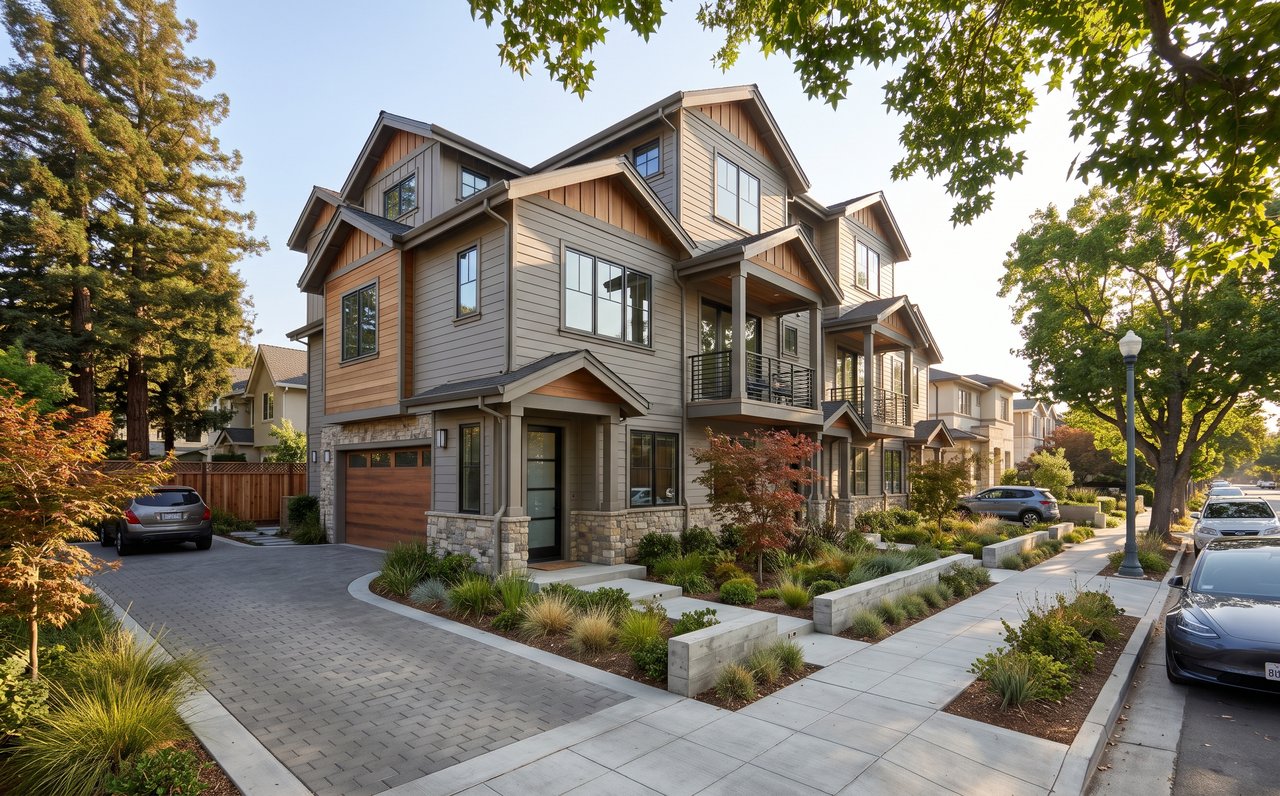
One of the advantages of searching for homes in Redwood City is the variety of residential neighborhoods.
The city includes traditional single-family neighborhoods, hillside properties, downtown condominiums, and waterfront communities.
Because prices and property characteristics vary substantially, buyers should research neighborhoods before narrowing their search.
Mount Carmel
Mount Carmel is known for established residential streets, mature trees, and a variety of architectural styles.
Its proximity to downtown amenities can be appealing to buyers seeking a traditional neighborhood environment with relatively convenient access to shopping and entertainment.
Edgewood Park
Edgewood Park offers established homes and attractive residential streets. Properties vary in size, architectural character, condition, and lot configuration.
Buyers should carefully compare recent sales because individual property characteristics can substantially affect value.
Woodside Plaza
Woodside Plaza includes established single-family residences and convenient access to shopping and major transportation corridors.
Some older properties may offer remodeling opportunities, although the feasibility and cost of improvements should be verified.
Farm Hill
Farm Hill offers hillside residential settings and a variety of property styles.
Some homes provide scenic views or greater separation from neighboring residences.
Buyers considering hillside properties should evaluate drainage, access, soil conditions, retaining walls, and other potential maintenance considerations.
Redwood Shores
Redwood Shores provides a substantially different residential setting, with lagoons, waterfront areas, planned neighborhoods, and a mixture of single-family homes, townhomes, and condominiums.
For buyers prioritizing waterfront surroundings, walking paths, and planned residential developments, Redwood Shores deserves particular consideration.
4. Is Redwood Shores a Good Place to Buy a Home?
Redwood Shores is located within the City of Redwood City, but its physical setting and housing stock differ significantly from the city's traditional inland neighborhoods.
Many residential developments feature landscaped common areas, lagoons, walking paths, and planned community amenities.
The neighborhood can appeal to buyers seeking a quieter residential environment with access to waterfront recreation and major Peninsula employment centers.
However, Redwood Shores includes a wide range of property types.
Some purchasers seek detached single-family homes, while others prefer condominium or townhome ownership with less direct responsibility for exterior maintenance.
What Do Redwood Shores Homes Cost?
According to Realtor.com's September 2026 neighborhood market report, the median residential sale price in Redwood Shores was approximately $1,578,400.
The report also identified approximately 25 active listings and a median marketing period of 36 days.
These figures include multiple residential property types and should not be interpreted as the median price of detached single-family homes alone.
Buyers should compare condominiums with similar condominiums and single-family homes with comparable detached residences.
Source: Realtor.com — Redwood Shores Housing Market.
5. Flood Exposure and Sea Level Rise Are Important in Redwood Shores
Redwood Shores offers a distinctive waterfront lifestyle, but buyers should also understand its environmental and infrastructure considerations.
The area is surrounded by a levee system that protects residential neighborhoods and important infrastructure from coastal flooding.
According to the City of Redwood City, portions of the existing levee system require improvements to meet current Federal Emergency Management Agency (FEMA) accreditation requirements.
The city is working with regional partners on the Redwood Shores Sea Level Rise Protection Project.
The project is intended to improve flood protection, address future sea level rise, strengthen the levee system, and support renewed FEMA accreditation.
In April 2020, FEMA informed the city that failure to improve the levee system could result in revised flood maps placing properties within a Special Flood Hazard Area.
The city estimates that approximately 4,700 households could become subject to flood insurance requirements if the relevant changes occur.
This does not mean that every Redwood Shores property currently has the same flood insurance obligation.
Buyers should verify the current flood zone designation, lender requirements, insurance availability, and any relevant updates to the levee project for the specific property being considered.
For official information, visit the Redwood Shores Sea Level Rise Protection Project.
6. What Should Buyers Know About Redwood Shores HOAs?
Many Redwood Shores residential properties are located within planned communities or developments governed by homeowners associations.
Depending on the development, HOA responsibilities may include landscaping, common-area maintenance, exterior improvements, insurance, or other services.
However, HOA obligations vary significantly between communities.
Before purchasing, buyers should carefully review:
- Monthly HOA assessments.
- Association budgets and financial statements.
- Reserve studies and reserve funding.
- Pending or anticipated special assessments.
- Insurance coverage and deductibles.
- Maintenance responsibilities.
- Architectural restrictions.
- Rules affecting property use or rental arrangements.
Condominium and townhome buyers should also confirm that their preferred financing program is compatible with the development's ownership structure and insurance arrangements.
A lower purchase price does not automatically translate into lower monthly housing costs if HOA assessments are substantial.
7. How Does Redwood City Compare With Palo Alto and Menlo Park?
Redwood City is often considered by buyers who want access to Silicon Valley while exploring a broader variety of housing options.
In many Redwood City neighborhoods, single-family home purchase prices may be lower than those in some of Palo Alto's or Menlo Park's most expensive residential areas.
However, this is not true for every property.
A luxury residence on a desirable Redwood City parcel may sell for more than a smaller or older home in a neighboring community.
When comparing cities, buyers should consider:
- Actual commuting requirements.
- Neighborhood and street characteristics.
- Purchase price and monthly ownership costs.
- Lot size and privacy.
- Property condition and renovation expenses.
- Access to shopping, transportation, and recreation.
- Verified school district and attendance boundaries.
- Potential redevelopment opportunities.
The right choice depends on the individual property's value and the buyer's housing priorities.
Explore Redwood City homes for sale, Menlo Park homes, and Palo Alto homes to compare available options.
8. Are Mortgage Rates a Reason to Wait Until 2027?
Mortgage rates remain an important consideration for buyers purchasing in Redwood City.
According to Freddie Mac, the national average rate for a 30-year fixed mortgage was 7.24% as of October 29, 2026.
That is considerably higher than the mortgage rates available during the pandemic-era housing market.
Higher borrowing costs can reduce purchasing power and increase monthly housing expenses.
However, waiting for lower rates does not guarantee a better financial outcome.
Mortgage rates could decline, remain elevated, or increase. Housing prices and available inventory may also change.
Buyers should compare actual lender offers and calculate total ownership expenses based on available financing terms.
For higher-priced properties requiring jumbo mortgages, rates and underwriting standards may differ from Freddie Mac's conventional conforming-loan benchmark.
For current mortgage information, visit Freddie Mac's Primary Mortgage Market Survey.
9. Should You Buy an Older Redwood City Home or New Construction?
Redwood City contains many established residential neighborhoods where older homes remain an important part of the housing market.
For some buyers, these properties offer an opportunity to purchase a residence with established landscaping, distinctive architecture, or potential for renovation.
Others prefer newly constructed homes with contemporary floor plans, modern building systems, and fewer immediate renovation requirements.
Before purchasing an older residence, buyers should evaluate:
- Foundation and structural conditions.
- Roof age and condition.
- Electrical and plumbing systems.
- Sewer connections and drainage.
- Prior remodeling and permits.
- Potential renovation expenses.
- Development restrictions and easements.
New construction may reduce certain maintenance concerns, but it does not eliminate the need to evaluate workmanship, permits, warranties, and property-specific conditions.
The appropriate choice depends on the purchase price, intended use, and total cost of ownership.
10. What About ADUs and Future Development Opportunities?
For buyers interested in additional living space or potential rental income, accessory dwelling units may be an important consideration.
California law provides opportunities for qualifying residential properties to accommodate ADUs, subject to applicable standards and property-specific requirements.
However, buyers should not assume that every Redwood City lot can accommodate the same type or size of ADU.
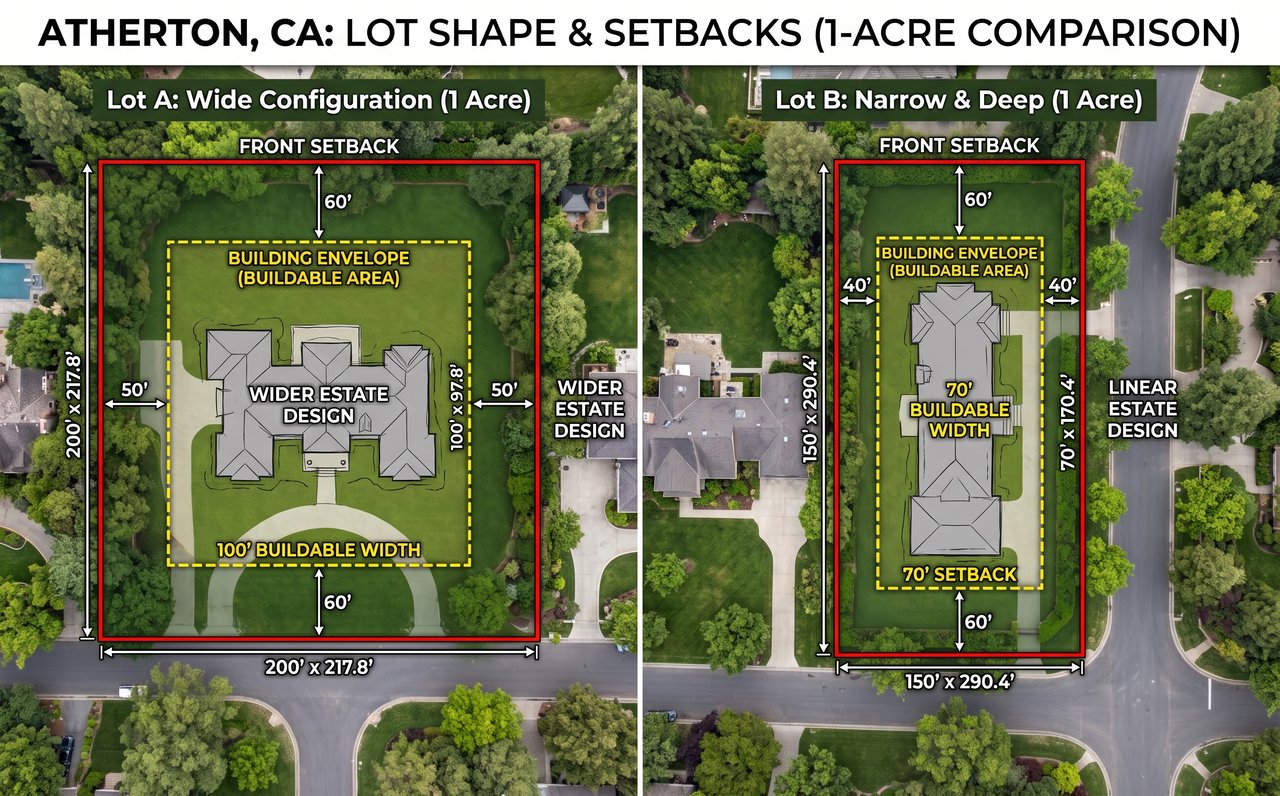
Potential limitations may involve setbacks, utility connections, fire safety requirements, building regulations, and the physical characteristics of the lot.
Buyers interested in adding an ADU or substantially redeveloping a property should investigate the applicable requirements before completing the purchase.
Construction costs and realistic rental income should also be evaluated before treating an ADU as an investment opportunity.
11. Is Redwood City Real Estate a Good Long-Term Investment?
Redwood City has several characteristics that can support long-term residential housing demand.
These include its central Silicon Valley location, established neighborhoods, downtown amenities, transportation connections, and diverse housing options.
However, a desirable community does not guarantee that every property will appreciate or produce a favorable investment return.
Home values can be affected by mortgage rates, regional employment conditions, property condition, insurance costs, and changes in buyer demand.
Buyers should also evaluate the costs of property taxes, maintenance, financing, and future renovations.
For those purchasing primarily as an investment, rental income and operating expenses should be analyzed separately from assumptions about future appreciation.
In general, the strongest purchase decisions are based on an appropriate acquisition price, manageable risks, and a property suited to the buyer's long-term objectives.
12. What Should You Investigate Before Buying in Redwood City?
Before purchasing a home, buyers should complete a property-specific evaluation.
Important steps include:
- Review comparable sales: Evaluate recent transactions involving similar properties in the same neighborhood.
- Confirm financing: Obtain mortgage preapproval and compare available loan terms.
- Investigate property condition: Review inspections and consider specialized evaluations when appropriate.
- Check permits: Verify significant additions, conversions, and improvements.
- Review title and easements: Understand recorded restrictions that may affect property use.
- Investigate flood exposure: Examine applicable FEMA maps, disclosures, and insurance requirements.
- Review HOA documents: For properties in common-interest developments, evaluate finances, reserves, insurance, and restrictions.
- Verify development potential: Confirm applicable zoning and building standards before relying on future construction plans.
- Calculate ownership costs: Include financing, taxes, insurance, maintenance, and anticipated improvements.
- Consider long-term suitability: Determine whether the property fits your expected living arrangements and financial goals.
Careful investigation can help buyers identify potential problems before they become expensive ownership responsibilities.
What Does the Current Market Mean for Redwood City Sellers?
Redwood City's continuing buyer activity may provide opportunities for homeowners considering selling.
However, not every property should be marketed using the same pricing strategy.
A renovated single-family home in an established neighborhood may appeal to a different buyer audience than an older property requiring substantial work or a condominium in Redwood Shores.
For sellers, important considerations include:
- Recent comparable sales.
- Current competing listings.
- Property condition and preparation.
- Professional photography and marketing.
- Buyer financing qualifications.
- Disclosure documentation.
- Negotiation of price, contingencies, and closing terms.
For Redwood Shores sellers, HOA documentation and flood-related information may also be important components of the transaction.
An appropriate listing strategy should reflect the individual property's characteristics and current market conditions rather than relying exclusively on citywide median prices.
Frequently Asked Questions About Buying a Home in Redwood City
Is Redwood City a good place to buy a home in 2026?
Redwood City remains attractive to buyers seeking access to Silicon Valley employment centers, established neighborhoods, transportation, and downtown amenities. However, the suitability of a purchase depends on the property's price, condition, ownership costs, and the buyer's long-term plans.
What is the median single-family home price in Redwood City?
MLSListings-derived data for October 2026 reported a median single-family sale price of approximately $2.46 million. Individual property prices vary substantially by neighborhood and condition.
Is Redwood Shores part of Redwood City?
Yes. Redwood Shores is a neighborhood within the City of Redwood City, located along the San Francisco Bay waterfront.
Are Redwood Shores homes less expensive than homes in central Redwood City?
Redwood Shores includes a substantial number of condominiums and townhomes, which can produce lower combined median prices than single-family-only market statistics. Buyers should compare similar property types before drawing conclusions about relative affordability.
Is flood insurance required in Redwood Shores?
Requirements depend on the property's current flood designation, financing arrangements, and applicable insurance rules. Redwood City is working on levee improvements and FEMA accreditation, so buyers should verify current conditions and requirements for the specific property.
Is it better to buy in Redwood City or Menlo Park?
The answer depends on your budget, desired neighborhood, commute, property type, and housing preferences. Both communities offer access to Silicon Valley, but housing stock and price ranges vary considerably.
Will Redwood City home prices increase in 2027?
Future property values cannot be predicted reliably. Changes in mortgage rates, inventory, employment conditions, and buyer demand will affect the market, and individual neighborhoods may perform differently.
Final Thoughts: Is Redwood City Still Worth Buying Into?
Redwood City continues to offer an appealing combination of Peninsula location, established residential neighborhoods, transportation connections, and downtown amenities.
Its housing market includes options for buyers seeking traditional single-family homes, condominiums, townhomes, and waterfront properties in Redwood Shores.
However, selecting the right property requires careful attention to price, condition, neighborhood characteristics, and ongoing ownership costs.
In Redwood Shores, buyers should also consider HOA obligations, flood exposure, and the city's ongoing levee protection initiatives.
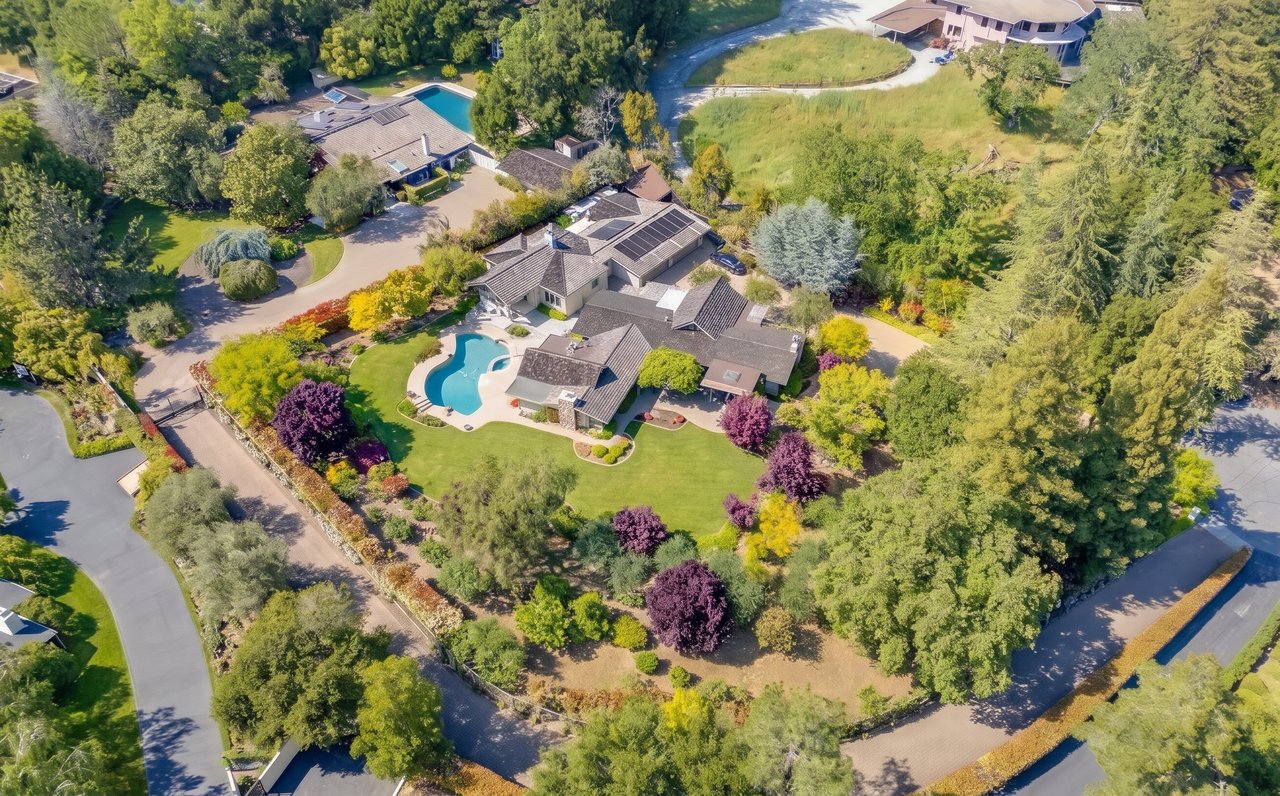
For those purchasing in established Redwood City neighborhoods, land characteristics, renovation costs, and possible development restrictions may be particularly important.
Redwood City remains worth considering in 2026, but a successful purchase depends less on predicting future appreciation and more on buying the right property at a reasonable price.
Explore Redwood City Homes With Milad Real Estate
At Milad Real Estate, we help buyers and sellers navigate residential real estate transactions throughout Redwood City, Menlo Park, Palo Alto, Atherton, Los Altos, Woodside, Portola Valley, and surrounding Silicon Valley communities.
As both a real estate broker and attorney, Aria Vatankhah brings experience in property transactions, contractual matters, property development, and land-use considerations.
Whether you are searching for a single-family residence in Redwood City, considering a waterfront property in Redwood Shores, or preparing to sell your current home, understanding the property's individual characteristics is an important first step.
Explore Redwood City homes for sale, visit our property valuation page, or contact Milad Real Estate to discuss your goals.
Aria Vatankhah
Founder, Milad Real Estate
Real Estate Broker | Attorney at Law
DRE License No. 01892083
Phone: 650-799-8168
Email: [email protected]
Sources and further reading:MLSListings-Derived Redwood City Housing Statistics; Redwood Shores Housing Market — Realtor.com; Redwood City Downtown Precise Plan; Redwood Shores Sea Level Rise Protection Project; Freddie Mac — Mortgage Rate Survey.
Updated November 2026. Market statistics reflect their stated reporting periods and may change. Median values may include different property types and geographic boundaries. Property conditions, insurance requirements, and development potential should be verified individually. This article provides general real estate information and does not constitute individualized legal, tax, lending, or financial advice.