Silicon Valley Housing Market Report | Updated November 2026 | 2027 Outlook
One of the most common questions homebuyers ask about Silicon Valley real estate is surprisingly simple: Why are there so few homes for sale, even when property prices are so high?
For buyers searching in Palo Alto, Menlo Park, Atherton, Los Altos, and neighboring Peninsula communities, the shortage of available homes can be frustrating. A desirable property may attract multiple offers, sell within days, or close significantly above its asking price.
Many buyers assume that high property values should encourage more homeowners to sell. Yet the number of homes coming onto the market in some of Silicon Valley's most desirable neighborhoods remains limited.
The explanation involves several interconnected factors: a shortage of new housing construction, homeowners reluctant to give up favorable mortgage rates and existing property tax assessments, limited opportunities for redevelopment, and continued demand for homes in established Peninsula communities.
Silicon Valley's housing supply problem is not simply that there are too few homes. It is that the number of desirable properties available for purchase often falls short of the number of financially qualified buyers seeking them.
Here is what the 2026 housing data reveals, why the shortage persists, and what buyers and sellers should consider as the market moves into 2027.
What Does the 2026 Silicon Valley Housing Market Tell Us?
Recent sales and listing data demonstrate that housing supply remains constrained in several important Peninsula communities.
According to September 2026 reporting based on MLSListings data, the number of new single-family home listings in Palo Alto declined approximately 9.2% during the first eight months of 2026 compared with the same period in 2025.
Atherton experienced an approximately 10.5% decline, while Los Altos recorded little change and Menlo Park experienced a modest increase of approximately 2.2%.
During the same January–August period, the median sale prices for single-family homes were approximately:
- Palo Alto: $4,125,000
- Menlo Park: $3,580,000
- Atherton: $11,300,000
- Los Altos: $4,920,000
These figures illustrate the substantial value of residential property in these communities, but they also show that high prices have not necessarily led to significantly more homes being listed for sale.
In the same reporting period, homes that sold in Palo Alto, Menlo Park, and Los Altos spent a median of approximately eight to nine days on the market.
Nearly 80% of single-family homes sold at or above their asking prices across those three communities, according to the regional analysis.
However, these statistics do not establish that every property is equally competitive. Market conditions differ by neighborhood, price range, property type, and condition.
Source: Mountain View Voice, September 15, 2026, based on MLSListings data.
1. The Mortgage Lock-In Effect Discourages Some Homeowners From Selling
One of the important reasons existing homes remain off the market is the difference between the mortgage rates many homeowners already have and the financing rates available to buyers today.
During 2020 and 2021, many homeowners purchased properties or refinanced existing mortgages at exceptionally low fixed interest rates.
Some of those homeowners continue to have mortgages with interest rates around 3% or lower.
For a homeowner considering selling and purchasing another property, replacing that mortgage with a new loan at a substantially higher interest rate could significantly increase the monthly payment, even if the new home costs approximately the same amount.
This creates what economists commonly describe as the mortgage rate lock-in effect.
How the Mortgage Lock-In Effect Works
Consider a hypothetical homeowner with a remaining mortgage balance of $1 million and a fixed interest rate of 3%.
Assuming a new 30-year amortization solely for illustration, the monthly principal and interest payment would be approximately $4,216.
If that homeowner sold and obtained a new $1 million mortgage at 6.5%, the monthly principal and interest payment would be approximately $6,321.
That represents a difference of more than $2,100 per month, even before considering property taxes, insurance, transaction costs, or other expenses.
Actual refinancing and replacement-loan comparisons depend on the remaining loan term, outstanding principal, available financing, and individual circumstances.
Nevertheless, the example demonstrates why a homeowner with an attractive existing mortgage may hesitate to sell.
For some homeowners, remaining in their current residence is financially more appealing than moving to another property.
This reluctance can reduce the number of existing homes available for prospective buyers.
2. California's Proposition 13 Can Make Long-Term Ownership Financially Attractive
Another factor affecting homeowners' decisions is California's property tax system.
Under Proposition 13, the assessed value of California real property generally increases by no more than 2% annually, unless a reassessment event or other applicable adjustment occurs.
For homeowners who purchased their properties many years ago, the assessed value used to calculate property taxes may be substantially below the property's current market value.
Consider a homeowner who purchased a Peninsula residence for $1 million many years ago and now owns a property worth several million dollars.
That homeowner may have a significantly lower assessed value than a new buyer acquiring the property at today's market price.
When the property is sold, its assessed value is generally reset according to applicable California property tax rules.
As a result, moving to another similarly valued home can involve substantially higher property taxes.
This potential increase is another factor some long-term homeowners consider before deciding to sell.
Does Proposition 19 Help Homeowners Move?
California Proposition 19 provides certain eligible homeowners with opportunities to transfer their property's taxable value to a replacement principal residence, subject to specific requirements.
These provisions may apply to qualifying homeowners aged 55 or older, severely disabled homeowners, and certain disaster victims.
Eligibility, timing, value adjustments, and other rules apply.
Although Proposition 19 may reduce the property tax consequences of moving for eligible homeowners, it does not eliminate every financial or personal reason for remaining in an existing home.
Homeowners considering a sale should review their circumstances with qualified property tax and real estate professionals.
3. Silicon Valley Has Limited Land Available for New Single-Family Housing
Unlike regions with substantial undeveloped land, many desirable Silicon Valley communities are already extensively developed.
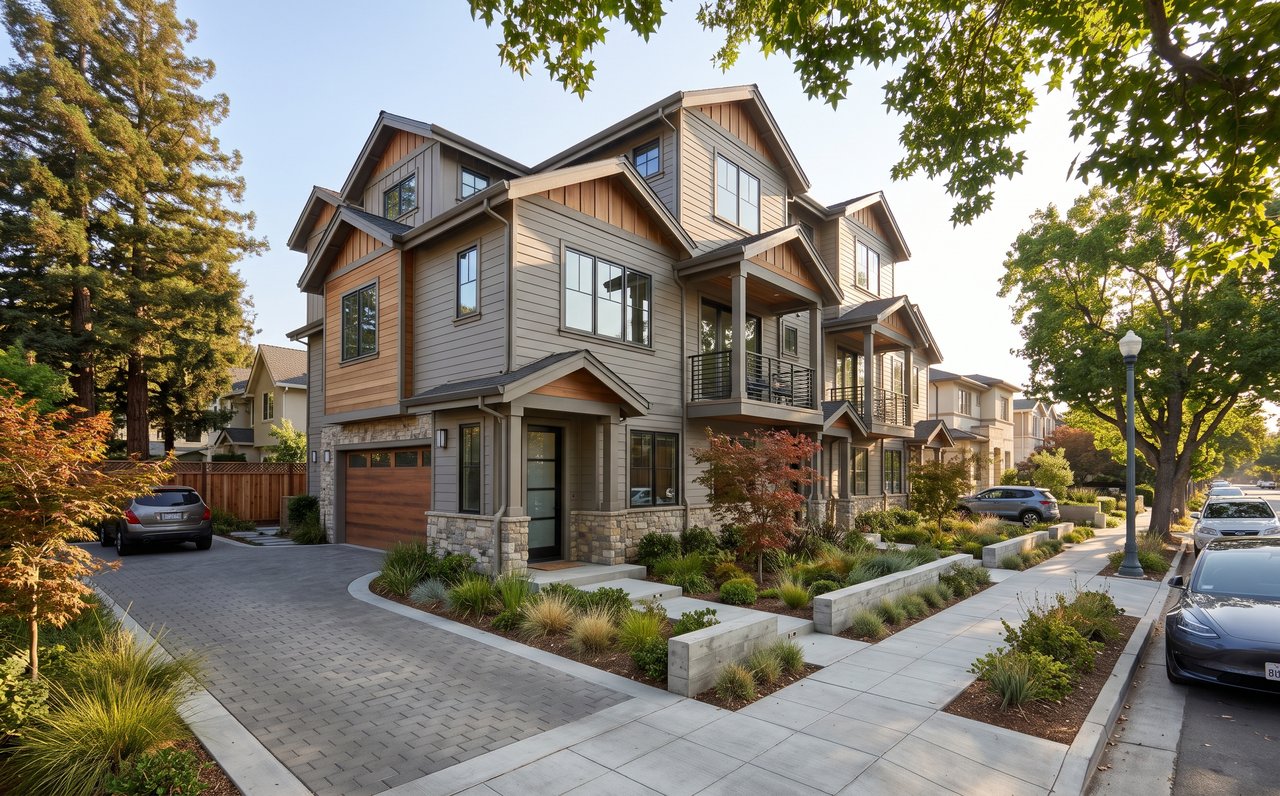
In established neighborhoods of Palo Alto, Menlo Park, Atherton, and Los Altos, adding new single-family homes often requires redevelopment of existing properties rather than construction on large undeveloped tracts.
New construction may involve replacing an older home, subdividing an eligible parcel, or developing additional residential units where permitted.
However, land availability is only one constraint.
Residential development can also be affected by:
- Local zoning regulations
- Setbacks and height limitations
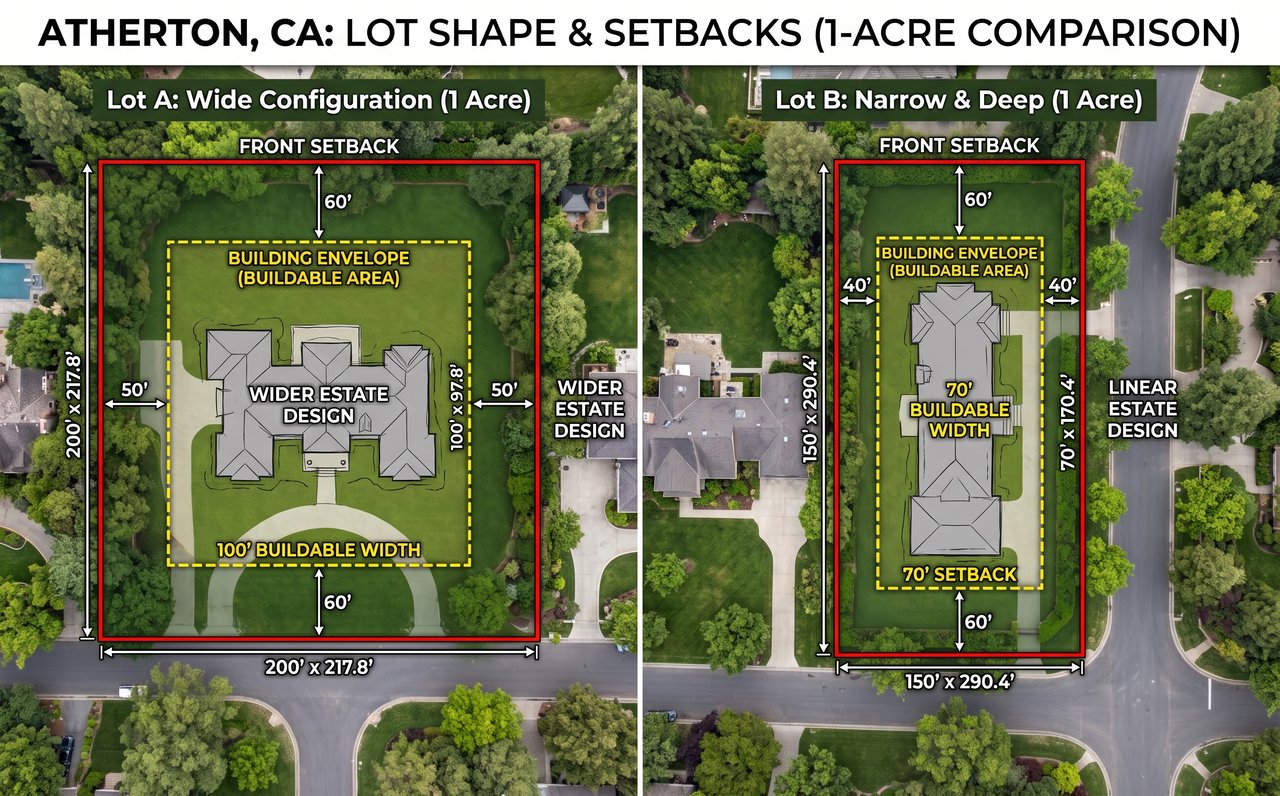
- Lot size and configuration
- Heritage-tree protection requirements
- Infrastructure and utility capacity
- Development fees and construction costs
- Building permit and entitlement procedures
- Financing and market feasibility
The Public Policy Institute of California reported in September 2026 that the state has experienced decades of insufficient housing construction, with land, labor, financing costs, and regulatory requirements all contributing to the housing supply challenge.
However, statewide housing construction statistics should not be confused with actual single-family construction activity in individual Peninsula cities.
For buyers seeking an established detached home on a substantial lot, new apartment or condominium development does not necessarily provide a direct substitute.
Source: Public Policy Institute of California, Housing in California, September 2026.
4. Building More Homes Does Not Necessarily Increase Existing Home Listings Immediately
California has adopted several housing laws intended to expand residential development opportunities.
These measures include reforms involving accessory dwelling units, urban lot splits, and certain multifamily housing developments.
For example, California Senate Bill 9 established a framework allowing qualifying properties to pursue certain two-unit housing projects and urban lot splits, subject to statutory and applicable local requirements.
Subsequent legislation, including SB 450, amended aspects of the SB 9 approval process.
Accessory dwelling unit legislation has also expanded opportunities to add residential housing on eligible properties.
However, these laws do not guarantee that every parcel qualifies for subdivision, additional units, or new construction.
They also do not guarantee that an owner will choose to develop the property or offer a newly created home for sale.
For example, an accessory dwelling unit may increase rental housing supply without adding a separately purchasable single-family residence.
Similarly, a permitted urban lot split may involve significant surveying, utility, engineering, financing, and construction costs before a marketable property can be created.
Therefore, legislative changes may expand long-term housing opportunities without immediately resolving the shortage of detached homes available for purchase in established neighborhoods.
5. Many Long-Term Homeowners Have Little Financial Pressure to Sell
In addition to mortgage rates and property taxes, personal circumstances play an important role in housing inventory.
Some Peninsula homeowners have owned their properties for decades.
Others have substantial home equity, relatively low outstanding mortgage balances, or no mortgage at all.
For these owners, there may be little financial necessity to sell simply because property values have increased.
Homeowners may also value their existing neighborhoods, established community relationships, property characteristics, and convenient locations.
Some prefer to renovate or expand their current residence rather than purchase another property.
These factors can reduce housing turnover, particularly in desirable established communities.
However, not every homeowner shares the same motivations, and the effect of these factors cannot be quantified for a particular neighborhood without additional data.
6. Demand Remains Strong for Desirable Single-Family Homes
Low inventory becomes especially important when buyer demand remains substantial.
Silicon Valley continues to attract buyers interested in proximity to major technology, investment, research, and professional employment centers.
Communities such as Palo Alto, Menlo Park, Atherton, and Los Altos also offer established neighborhoods, residential amenities, and access to major Peninsula destinations.
Buyers may prioritize specific characteristics such as:
- Single-family detached homes
- Privacy and usable outdoor space
- Convenient commuting locations
- Architectural quality and functional floor plans
- Proximity to preferred community amenities
- Potential for future renovations or improvements
When many financially qualified buyers pursue a limited selection of properties with these characteristics, competition can remain substantial even when mortgage rates are relatively high.
Nevertheless, demand is not uniform across every housing category.
Some condominiums, townhouses, properties requiring significant repairs, or homes priced above market expectations may experience longer marketing periods and different negotiating conditions.
7. Why Is Housing Inventory Particularly Limited in Palo Alto?
Palo Alto is one of Silicon Valley's most established and desirable residential markets.
Its proximity to Stanford University, major employment centers, and downtown amenities contributes to sustained buyer interest.
At the same time, many of its established single-family neighborhoods contain limited opportunities for creating substantial numbers of additional detached residences.
During January through August 2026, Palo Alto recorded 366 new single-family listings, compared with 403 during the same period in 2025.
That represents a decline of approximately 9.2%.
During the same reporting period, the median single-family home sale price was approximately $4.125 million.
These statistics indicate that buyers were competing for a smaller flow of new listings even as the market continued to record substantial sales activity.
However, individual Palo Alto neighborhoods differ in inventory, property types, and market performance.
Buyers should evaluate comparable sales and competing listings within their specific target neighborhoods.
8. Why Do Menlo Park Homes Remain Competitive?
Menlo Park includes a diverse range of residential neighborhoods, from established single-family communities to luxury estates and attached housing developments.
Areas such as Central Menlo, Allied Arts, Sharon Heights, and the western neighborhoods vary considerably in price, lot size, housing characteristics, and market activity.
During the first eight months of 2026, Menlo Park recorded approximately 281 new single-family listings, representing a modest 2.2% increase from the same period in 2025.
Despite that increase, limited availability of certain desirable property types continued to contribute to competition.
The median single-family sale price during the reported period was approximately $3.58 million.
For buyers, these statistics demonstrate why overall city inventory should not be treated as a substitute for neighborhood-level market analysis.
A luxury estate in Central Menlo and a smaller residence in another section of the city may attract different buyers and experience different market conditions.
9. Why Is Atherton's Housing Supply Especially Limited?
Atherton represents a particularly distinctive segment of the Silicon Valley real estate market.
The community is known for substantial estate properties, mature landscaping, residential privacy, and large parcels in established neighborhoods.
Many Atherton properties occupy land approaching or exceeding one acre, although lot sizes and development regulations vary.
Such properties are difficult to replicate in locations where most residential land is already developed.
According to the reported January–August 2026 MLS analysis, Atherton recorded only 77 new single-family listings, approximately 10.5% fewer than during the corresponding period in 2025.
The median single-family sale price reached approximately $11.3 million during that period.
The limited number of available properties means that buyers seeking particular combinations of location, land size, architectural design, and privacy may encounter relatively few suitable opportunities.
However, even within Atherton, market conditions vary significantly between newly constructed luxury estates, older homes, and properties purchased primarily for their land characteristics.
10. Why Los Altos Also Faces Housing Supply Constraints
Los Altos offers established residential neighborhoods, access to Silicon Valley employment centers, and a variety of single-family properties.
Its housing inventory is influenced by many of the same structural factors affecting Palo Alto and Menlo Park, including limited undeveloped residential land and relatively low turnover in certain established neighborhoods.
During January–August 2026, Los Altos recorded approximately 262 new single-family listings, essentially unchanged from the comparable 2025 period.
The reported median single-family sale price was approximately $4.92 million.
These figures suggest that continued buyer demand was not accompanied by a substantial increase in new listing activity.
As in other Peninsula communities, however, individual properties can experience different levels of competition depending on condition, asking price, and buyer preferences.
11. Does Low Inventory Mean Every Silicon Valley Home Will Sell Above Asking Price?
No. Low housing inventory does not guarantee that every home will receive multiple offers or sell above its asking price.
Some sellers intentionally set asking prices below their anticipated market value to attract greater buyer interest.
Other properties may be priced above what recent comparable sales support.
A home requiring significant renovations may also appeal to a smaller buyer pool than a comparable move-in-ready residence.
Factors influencing buyer competition include:
- Asking price relative to market value
- Property condition and construction quality
- Neighborhood and location
- Lot size and usable land
- Architectural design and floor plan
- Development or renovation limitations
- Current competing listings
- Available financing and buyer demand
For this reason, buyers and sellers should avoid making decisions based solely on general statements about low inventory.
Property-specific market analysis remains essential.
12. What Does Low Housing Inventory Mean for Buyers?
For buyers searching for homes in Silicon Valley, limited inventory can reduce the number of suitable properties available at any given time.
However, the best response is not necessarily to increase an offer price or remove contractual protections.
Instead, buyers should develop a disciplined purchasing strategy.
Obtain Mortgage Preapproval
Understanding available financing and documenting financial qualifications can help buyers act when suitable properties become available.
Identify Essential Property Requirements
Distinguish between features that are truly necessary and those that are preferences.
For example, a buyer may prioritize a particular neighborhood, minimum usable lot area, or specific commuting needs while remaining flexible about cosmetic finishes.
Monitor New Listings and Comparable Sales
Reviewing recent transactions can help buyers distinguish between a home's asking price and its likely market value.
Evaluate Properties Carefully
Property disclosures, inspections, title matters, zoning restrictions, and available permit information may identify risks that affect the purchase decision.
Prepare a Competitive Offer Without Taking Unnecessary Risks
Offer price, financing strength, contractual contingencies, closing schedules, and other terms should be evaluated together.
Waiving important protections may expose buyers to substantial financial or contractual consequences.
The objective is not simply to win a bidding war. It is to purchase the right home at a justifiable price under terms that are financially sustainable.
13. What Does Low Inventory Mean for Home Sellers?
Limited competing inventory can create favorable conditions for certain sellers, particularly when a property matches the needs of active buyers.
However, high market demand does not eliminate the importance of pricing, preparation, and marketing.
Homeowners considering selling should evaluate:
- Recent comparable closed sales
- Current competing listings
- Buyer demand within the relevant price segment
- The property's condition and distinctive features
- Appropriate preparation and presentation
- Mortgage and property tax considerations associated with a replacement home
- Closing and possession requirements
For sellers who also intend to purchase another property, the decision can be more complicated.
Although selling may produce substantial proceeds, finding a suitable replacement property may be difficult in the same inventory-constrained market.
A carefully coordinated buying and selling strategy can help address timing, financing, and possession concerns.
14. Will More Homes Become Available in Silicon Valley in 2027?
The direction of housing inventory in 2027 will depend on several factors.
Mortgage rate changes may influence homeowners' willingness to move and buyers' financing capacity.
Changes in employment, financial markets, and household circumstances may also affect housing turnover.
Meanwhile, new construction and residential development projects may gradually add housing opportunities, although the number and types of homes produced will vary considerably by location.
Other influences include:
- Mortgage interest rates
- Homeowner mobility and household changes
- New residential construction
- Accessory dwelling unit and subdivision activity
- Local planning and permitting procedures
- Construction and financing costs
- Silicon Valley employment and economic conditions
- Seasonal listing patterns
However, no current forecast can guarantee that inventory will increase substantially or that competition will decline in 2027.
Buyers and sellers should evaluate current listings, pending transactions, and recent comparable sales rather than relying on assumptions about future market conditions.
Frequently Asked Questions About Silicon Valley Housing Inventory
Why are there so few homes for sale in Silicon Valley?
Limited housing inventory results from several factors, including insufficient historical housing construction, limited developable land in established neighborhoods, homeowners retaining favorable mortgage rates, property tax considerations, and continued demand for desirable properties.
Is housing inventory increasing in Silicon Valley in 2026?
Inventory trends vary by community and property type. During January–August 2026, new single-family listings declined in Palo Alto and Atherton, increased slightly in Menlo Park, and remained approximately unchanged in Los Altos compared with the same period in 2025.
What is the mortgage lock-in effect?
The mortgage lock-in effect describes a situation in which homeowners are reluctant to sell because replacing their existing low-interest mortgage with a new loan could significantly increase borrowing costs.
Does Proposition 13 affect the supply of homes for sale?
California's property tax assessment rules may influence some homeowners' decisions to remain in their existing properties. However, Proposition 13 is only one of several economic and personal factors affecting housing turnover.
Will SB 9 and accessory dwelling units solve the housing shortage?
These laws can create additional housing opportunities on qualifying properties, but they do not automatically result in new homes available for individual purchase. Development eligibility, construction costs, financing, and owner decisions affect the amount of housing actually produced.
Are Silicon Valley homes still receiving multiple offers?
Some are. Regional 2026 reporting identified strong buyer competition and frequent over-asking sales in several Peninsula communities. However, the level of competition varies considerably by property, price, and neighborhood.
Should buyers wait until more homes become available in 2027?
Waiting may be appropriate for buyers whose needs or financial circumstances favor delaying a purchase. However, future inventory, prices, and mortgage rates are uncertain. Buyers should evaluate current opportunities in relation to their own objectives and financial capacity.
Is low housing inventory good for sellers?
Limited competing listings can create favorable conditions for some sellers, especially when their properties are well positioned within the market. However, accurate pricing, property condition, buyer financing, and transaction terms remain important.
Final Thoughts: Silicon Valley's Housing Shortage Is a Long-Term Challenge
The shortage of available homes in Silicon Valley is not simply a temporary consequence of an unusual housing market.
It reflects a combination of long-term construction constraints, limited land availability, homeowner financial incentives, and continued demand for desirable Peninsula properties.
The 2026 market demonstrates that even substantial home prices do not necessarily motivate enough owners to sell to satisfy buyer demand.
At the same time, housing conditions vary significantly by community, neighborhood, property type, and price range.
For buyers, the best response to limited inventory is preparation, accurate property valuation, and disciplined negotiation. For sellers, the opportunity lies in understanding how their particular property compares with the available competition.
As 2027 approaches, the most informed decisions will continue to rely on local market data rather than broad assumptions about housing supply.
Work With Milad Real Estate
At Milad Real Estate, we assist buyers and sellers throughout Atherton, Menlo Park, Palo Alto, Los Altos, Woodside, Redwood City, and the surrounding San Francisco Peninsula.
Founded by Aria Vatankhah, a California real estate broker and attorney, Milad Real Estate combines real estate brokerage experience with legal knowledge to assist clients with residential property transactions, negotiations, and the evaluation of property-related considerations.
Whether you are searching for a home in a competitive neighborhood, considering selling a luxury residence, or evaluating potential property improvements, we welcome the opportunity to discuss your real estate objectives.
Explore Silicon Valley communities:
- Atherton Luxury Real Estate
- Menlo Park Real Estate
- Palo Alto Real Estate
- Los Altos Real Estate
- Woodside Luxury Properties
Contact Aria Vatankhah
Real Estate Broker & Attorney | Milad Real Estate
Phone: (650) 799-8168
Email: [email protected]
Sources: Mountain View Voice – Midpeninsula Housing Inventory, September 2026; Redwood City Pulse – 2026 Peninsula Housing Market Analysis; Public Policy Institute of California – Housing in California, September 2026; Federal Reserve Economic Data – San Mateo County Active Housing Inventory; California State Board of Equalization – Proposition 19.
Disclaimer: This article is provided for general informational purposes and does not constitute an appraisal, individualized financial, tax, mortgage, or legal advice. Housing market statistics reflect the stated reporting periods and may be revised. Inventory conditions and future market performance cannot be guaranteed. Buyers and sellers should seek property-specific professional guidance before making real estate decisions.