California Real Estate Guide | Updated November 2026
Buying or selling a home is one of the largest financial transactions most people undertake. Yet many California homebuyers and sellers enter the process with misconceptions about what real estate agents do, how they are compensated, and whose interests they represent.
Recent changes to California real estate law and nationwide industry practices have made it especially important to understand these issues.
For example, buyer representation agreements became mandatory under California law in January 2025, and compensation arrangements between buyers, sellers, and real estate brokerages are now receiving greater attention.
Whether you are purchasing a home in Menlo Park, selling a luxury estate in Atherton, or exploring properties in Palo Alto and Redwood City, understanding the relationship between a real estate agent and a client can help you make more informed decisions.
Here are five common myths about real estate agents—and what California buyers and sellers should actually know in 2026 and 2027.
Myth #1: Real Estate Agents Always Charge a Standard 5% or 6% Commission
One of the most persistent misconceptions about real estate transactions is that agents charge a fixed commission percentage.
Some buyers and sellers believe that a 5% or 6% commission is mandatory or that all brokerages follow the same compensation structure.
Neither assumption is correct.
The Truth: Real Estate Commissions Are Negotiable
Real estate commissions are not established by California law or fixed by the National Association of REALTORS®.
The compensation charged by a real estate brokerage is negotiated between the brokerage and its client.
Depending on the services being provided and the agreement between the parties, compensation may be structured as:
- A percentage of the purchase price
- A fixed fee
- Another clearly defined arrangement permitted by law
There is no requirement that all brokerages charge the same amount.
Likewise, the compensation for representing a seller does not automatically determine how much a buyer's brokerage will receive.
Who Pays the Buyer Agent's Commission?
Before the real estate industry practice changes implemented in August 2024, many transactions involved a listing brokerage offering compensation to a brokerage representing the buyer.
Today, buyer-broker compensation is addressed through written agreements and may be negotiated as part of the transaction.
Depending on the agreement and transaction terms, compensation may be paid by:
- The buyer
- The seller, pursuant to negotiated transaction terms
- The listing brokerage, pursuant to an applicable compensation arrangement
- A permitted combination of sources
Buyers should understand their contractual payment obligations, even when they intend to request that the seller contribute toward buyer-broker compensation.
Seller contributions are not guaranteed.
Does the Real Estate Agent Keep the Entire Commission?
Not necessarily.
Compensation is generally paid to the licensed real estate brokerage under the applicable agreement.
When a real estate salesperson or broker associate works under a supervising broker, the compensation paid to the individual licensee may be governed by an independent agreement with that brokerage.
These arrangements differ among brokerages.
It is therefore inaccurate to assume that an individual agent personally receives the entire amount paid by the client.
What buyers and sellers should remember: Ask what services are included, how compensation is calculated, when it becomes payable, and whether any additional fees apply. All compensation terms should be clearly documented.
Myth #2: Buyers Do Not Need an Agreement With Their Real Estate Agent
For many years, buyers sometimes worked informally with real estate agents without signing a representation agreement at the beginning of their property search.
That practice has changed significantly.
The Truth: California Requires Written Buyer-Broker Representation Agreements
Effective January 1, 2025, California Assembly Bill 2992 established written buyer-broker representation agreement requirements.
Under California Civil Code Section 1670.50, a buyer's agent must enter into a written agreement with the buyer as soon as practicable, but no later than the buyer's execution of an offer to purchase real property.
Separate nationwide practice requirements applicable to many MLS-participating agents generally require a written agreement before an agent tours a home with the buyer, either in person or virtually.
The agreement is intended to clarify the business relationship between the buyer and the brokerage.
What Must a Buyer Representation Agreement Address?
California law requires the agreement to address several subjects, including:
- Broker compensation
- Services to be provided
- When compensation becomes payable
- Contract termination
Buyers should also review whether the agreement establishes exclusive representation, the properties or geographic areas it covers, and any additional conditions affecting their obligations.
How Long Can the Agreement Last?
For agreements subject to California's statutory duration limitation, the initial term generally cannot exceed 90 calendar days.
The law provides exceptions for certain agreements involving corporations, limited liability companies, and partnerships.
Covered agreements cannot renew automatically. Renewals must comply with the applicable written agreement and statutory requirements.
Buyers should understand the expiration date and renewal provisions before signing.
Can You Cancel a Buyer Representation Agreement?
Possibly, but cancellation should not be assumed to be automatic.
The ability to terminate an agreement depends on its terms, the circumstances, and applicable law.
If the relationship is not working, the buyer should review the contract and communicate with the brokerage about an appropriate resolution.
A mutual written cancellation may be possible, although compensation or other obligations may remain depending on the agreement.
The same general principle applies to seller listing agreements: termination rights depend on the contract and applicable law.
What buyers and sellers should remember: Do not sign a representation or listing agreement without understanding its duration, exclusivity, compensation, and termination provisions.
Myth #3: Buyers Save Money by Working Directly With the Listing Agent
Many buyers find homes through online listings and wonder whether contacting the listing agent directly might reduce the transaction's cost.
Some assume that because the listing agent is already involved in the transaction, using the same agent will automatically produce a lower purchase price or eliminate buyer-broker compensation.
That is not necessarily correct.
The Truth: The Listing Agent Represents the Seller Unless Another Agency Relationship Is Properly Established
In California, a listing agent representing only the seller owes fiduciary duties to the seller.
Those duties include loyalty, care, integrity, honesty, and acting in the seller's interests within the applicable legal framework.
The listing agent also owes certain duties of honesty, fair dealing, reasonable skill and care, and material-fact disclosure to buyers.
However, these duties do not mean the listing agent automatically represents the buyer's interests.
For example, a seller's agent generally cannot be expected to negotiate against the seller's interests on behalf of an unrepresented buyer.
What Is Dual Agency?
California permits dual agency, in which a real estate broker represents both the buyer and seller in the same transaction.
However, dual agency requires appropriate disclosure and the informed consent of both parties.
It can arise when the same agent represents both sides or when different agents affiliated with the same brokerage represent the buyer and seller.
A dual agent owes fiduciary duties to both parties but must observe important restrictions concerning confidential information.
For example, a dual agent generally cannot disclose the seller's willingness to accept a lower price or the buyer's willingness to pay more without the required permission.
Dual agency can therefore limit the extent to which an agent may advocate exclusively for one party during negotiations.
Does Dual Agency Automatically Save Money?
No.
Compensation remains governed by the negotiated agreements and transaction terms.
A buyer should not assume that working directly with the listing agent guarantees a commission reduction, a discount, or more favorable treatment.
Similarly, using a separate buyer's brokerage does not necessarily mean the buyer will bear all buyer-broker compensation personally.
These matters should be discussed before any representation agreement or purchase contract is signed.
What buyers should remember: Understand exactly whom the agent represents. If you want an advocate whose fiduciary obligations are directed exclusively toward you as the buyer, consider separate buyer representation.
Myth #4: All Real Estate Agents Provide the Same Services and Expertise
Because real estate listings are widely available online, some consumers assume that every licensed agent can provide essentially the same level of service.
But access to listing information is only one component of a successful transaction.
The Truth: Experience, Local Knowledge, and Transaction Skills Can Make a Meaningful Difference
Real estate agents differ in their experience, areas of practice, negotiation skills, availability, and familiarity with particular markets.
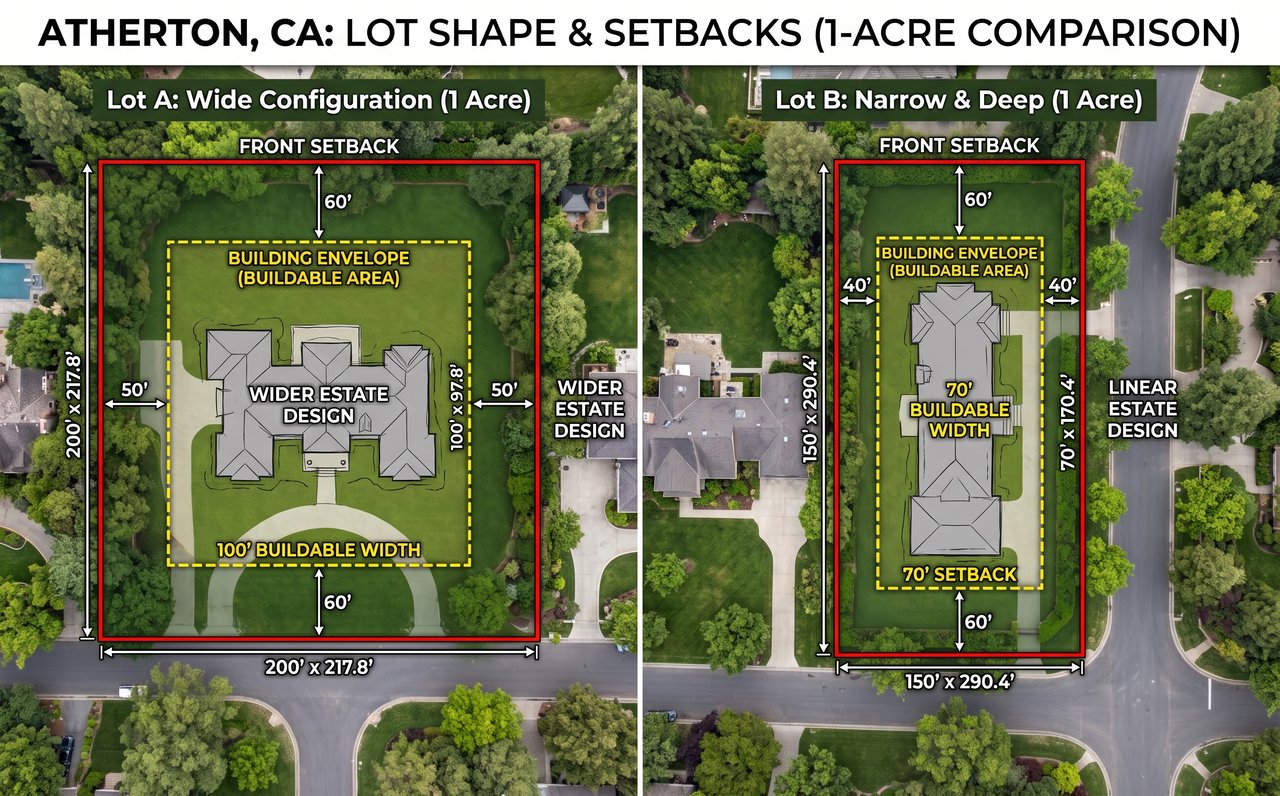
For example, purchasing a condominium in downtown Menlo Park presents different considerations from buying a one-acre estate in Atherton or a property with development potential in Palo Alto.
A knowledgeable real estate professional should be able to explain the issues relevant to the particular transaction.
What Should Buyers Look for in a Real Estate Agent?
Depending on the property, useful qualifications may include:
- Experience with the local neighborhood and property type
- Knowledge of recent comparable sales
- Understanding of pricing and negotiation strategies
- Ability to explain purchase agreements and contractual deadlines
- Familiarity with seller disclosures and inspection reports
- Awareness of title, easement, and property boundary issues
- Understanding of local zoning and development considerations
- Clear communication and responsiveness
For a buyer evaluating a property with potential for remodeling, expansion, or an accessory dwelling unit, the ability to identify issues requiring further professional investigation can be particularly valuable.
However, real estate agents should not represent themselves as qualified to provide architectural, engineering, tax, or legal opinions unless they independently hold the applicable qualifications and are acting in that professional capacity.
What Should Sellers Look for in a Listing Agent?
For sellers, relevant considerations may include:
- Property-specific pricing analysis
- Local buyer demand and comparable transactions
- Preparation and presentation recommendations
- Professional photography and marketing strategy
- Experience negotiating multiple offers
- Understanding of disclosure obligations
- Ability to coordinate inspections and transaction activities
- Clear explanations of compensation and listing terms
In luxury communities such as Atherton, Menlo Park, and Palo Alto, differences in land characteristics, construction quality, and property condition can substantially affect valuation.
These distinctions may require more detailed analysis than simply comparing asking prices or calculating a general price per square foot.
How Should You Evaluate an Agent?
Before selecting a real estate professional, consider interviewing more than one candidate.
Ask about relevant transaction experience, services, compensation, communication expectations, and their proposed approach to your particular needs.
You can also verify a California license through the California Department of Real Estate.
Online reviews and referrals may be useful, but they should be considered alongside the agent's qualifications and specific experience.
What buyers and sellers should remember: Choose an agent based on the services and expertise relevant to your transaction, not simply familiarity, advertising, or an assumption that all licensees offer equivalent representation.
Myth #5: You Cannot Buy a For-Sale-by-Owner Home With a Real Estate Agent
Some homeowners choose to market and sell their properties without hiring a listing agent.
These properties are commonly referred to as for-sale-by-owner, or FSBO, homes.
Buyers sometimes assume that they must also proceed without representation when purchasing an FSBO property.
That assumption is incorrect.
The Truth: A Buyer Can Generally Use an Agent When Purchasing an FSBO Property
A buyer may engage a real estate broker to represent their interests when purchasing a property offered directly by the owner.
The buyer's agent may help with:
- Evaluating comparable sales and the proposed purchase price
- Preparing and negotiating the purchase offer
- Reviewing available property disclosures
- Coordinating inspections and investigations
- Reviewing contractual deadlines
- Coordinating with escrow, title, and financing professionals
- Addressing transaction questions as they arise
However, the seller is not automatically required to pay the buyer's agent.
Who Pays the Buyer's Agent in an FSBO Transaction?
Payment depends on the buyer-broker agreement and any compensation arrangements negotiated as part of the transaction.
Possible arrangements include buyer-paid compensation, a negotiated seller contribution, or another legally permissible agreement.
Buyers should address compensation before submitting an offer so that they understand their potential financial obligations.
Why Can FSBO Transactions Require Additional Attention?
When a seller does not have separate brokerage representation, certain transaction tasks may require additional coordination.
These can include disclosures, inspections, title review, financing deadlines, and escrow arrangements.
California sellers' disclosure obligations do not necessarily disappear merely because the property is offered for sale without a listing agent.
Each party should understand their contractual duties and seek appropriate professional advice when necessary.
What buyers should remember: An FSBO listing does not prevent you from obtaining buyer representation, but broker compensation and the transaction process should be discussed and documented clearly.
Bonus: Does Every California Real Estate Transaction Require Two Agents?
No.
Although many transactions involve a seller's brokerage and a buyer's brokerage, other arrangements are possible.
A transaction might involve:
- Separate brokerages representing the buyer and seller
- Different agents within the same brokerage, creating a dual-agency relationship at the broker level
- One properly disclosed and consented dual agent
- One represented party and one unrepresented party
- A transaction between parties without real estate brokerage representation
The applicable agency relationship should be clearly disclosed and documented.
The number of agents involved does not, by itself, determine the parties' rights or the overall cost of the transaction.
Questions to Ask Before Hiring a California Real Estate Agent
Before signing a buyer representation or listing agreement, consider asking the following questions:
- What services will you provide?
- Whom will you represent in the transaction?
- Is the representation agreement exclusive?
- How is your brokerage compensated?
- When does compensation become payable?
- Are there any additional fees?
- How long does the agreement last?
- What happens if I want to terminate the agreement?
- How will you handle a potential dual-agency situation?
- What experience do you have with properties similar to mine?
These questions can help establish clearer expectations before a buyer or seller enters into a contractual relationship.
Frequently Asked Questions About Real Estate Agents in California
Are real estate commissions fixed in California?
No. Real estate commissions are negotiable and are not set by California law. Buyers and sellers should review the compensation terms in their agreements with their respective brokerages.
Does the seller always pay the buyer's real estate agent?
No. Buyer-broker compensation can be paid through different negotiated arrangements. A buyer should understand the payment obligations established by the buyer-broker representation agreement and any compensation negotiated in the purchase transaction.
Do buyers have to sign a representation agreement in California?
California law requires written buyer-broker representation agreements for applicable buyer representation services. Many MLS-participating agents must also obtain an agreement before touring homes with buyers.
Can I cancel my buyer representation agreement?
Cancellation rights depend on the agreement and applicable law. Some agreements may be terminated by mutual written agreement or under specified contractual provisions. Buyers should carefully review their termination obligations.
Can the same agent represent the buyer and seller in California?
Yes. California permits dual agency with appropriate disclosure and informed consent from both parties. Dual agents owe fiduciary duties to both sides and must comply with restrictions concerning confidential information.
Can I work with a buyer's agent when purchasing a for-sale-by-owner property?
Yes. A buyer may generally obtain representation when purchasing an FSBO home. The buyer should clarify how the agent will be compensated and whether the seller is willing to contribute toward that compensation.
Is a real estate agent the same as a REALTOR®?
Not necessarily. A real estate agent is a person licensed to perform applicable real estate activities. REALTOR® is a membership designation associated with the National Association of REALTORS® and its member organizations. Not every licensed agent is a REALTOR®.
How do I verify a real estate agent's license in California?
Consumers can use the California Department of Real Estate's public license lookup to verify licensing information and review available records.
Final Thoughts: Understanding Representation Is Essential
Working with a real estate agent involves more than arranging showings, marketing a property, or preparing an offer.
A professional representation relationship includes contractual obligations, agency duties, compensation arrangements, and decisions that can affect a significant financial transaction.
California's real estate practice changes have made transparency about these subjects increasingly important.
For buyers, understanding who represents their interests and what they are agreeing to pay can help avoid confusion during the purchase process.
For sellers, reviewing brokerage services, compensation, and agency relationships can support more informed listing and negotiation decisions.
The right real estate professional should explain the process clearly, help clients evaluate their options, and provide services suited to their particular property and objectives.
Work With Milad Real Estate
At Milad Real Estate, we assist buyers and sellers throughout Menlo Park, Atherton, Palo Alto, Redwood City, Los Altos, Woodside, and surrounding San Francisco Peninsula communities.
Founded by Aria Vatankhah, a California real estate broker and attorney, Milad Real Estate combines real estate brokerage experience with legal knowledge to help clients understand property transactions, negotiation considerations, and important contractual issues.
Whether you are preparing to sell a luxury property, purchasing your first home, or reviewing your representation options, we welcome the opportunity to discuss your goals and the services available through Milad Real Estate.
Explore our local markets:
- Menlo Park Real Estate
- Atherton Luxury Real Estate
- Palo Alto Real Estate
- Redwood City Real Estate
- Los Altos Real Estate
Contact Aria Vatankhah
Real Estate Broker & Attorney | Milad Real Estate
Phone: (650) 799-8168
Email: [email protected]
Official Sources: California Department of Real Estate – Changes to Real Estate Representation; DRE – Licensee Advisory on Buyer Representation; California Civil Code Section 1670.50; California Civil Code Section 2079.16; NAR – Consumer Guide to Written Buyer Agreements.
Disclaimer: This article provides general information about California real estate brokerage practices and is not individualized legal, tax, financial, or contractual advice. Agency relationships, compensation arrangements, and termination rights depend on applicable law and the specific agreements involved. Buyers and sellers should carefully review their documents and consult qualified professionals regarding their individual circumstances.