Selling your home is one of the most significant financial transactions you may undertake. Whether you own a single-family residence in Menlo Park, a luxury estate in Atherton, or a home in Palo Alto or Los Altos, the decisions you make before and during the sale can affect your financial outcome.
With so much property information available online, some homeowners wonder whether they really need a real estate agent. After all, buyers can browse listings, research recent sales, and schedule property tours using websites and mobile applications.
However, successfully selling a home involves much more than publishing photographs and setting an asking price.
Pricing strategy, property preparation, marketing, contractual obligations, buyer qualifications, disclosures, negotiations, and escrow coordination all require careful attention.
For properties worth several million dollars, even a relatively small difference in the final sale price or transaction expenses can represent a substantial amount of money.
Here are 10 reasons why hiring an experienced real estate agent may be valuable when selling your home in Silicon Valley.
1. An Experienced Real Estate Agent Helps Determine the Right Listing Price
Setting an appropriate asking price is one of the most important decisions a homeowner makes when selling a property.
Overpricing can discourage qualified buyers, increase the time a property remains on the market, and eventually lead to price reductions.
Underpricing without a well-considered strategy can also create risks if the property does not attract the anticipated competition.
An experienced real estate agent evaluates recent comparable sales, active listings, pending transactions, and current buyer demand to develop a pricing recommendation.
However, in Silicon Valley, pricing requires more than comparing the number of bedrooms, bathrooms, and interior square footage.
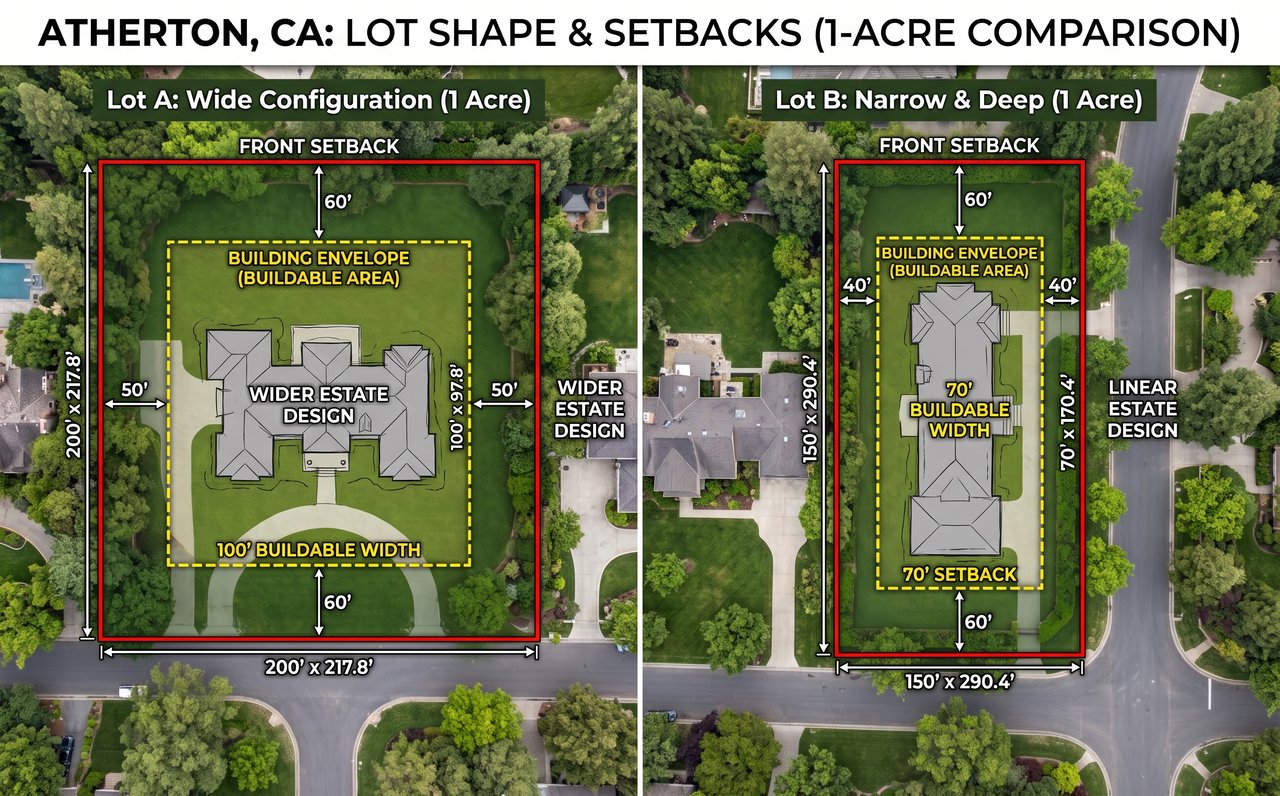
For example, a property in Menlo Park or Atherton may have substantial underlying land value, particularly if it offers favorable lot dimensions or redevelopment potential.
Two homes with similar living areas may sell for significantly different amounts because of differences in:
- Neighborhood and street location.
- Lot size, shape, and frontage.
- Architectural design and construction quality.
- Age and condition of improvements.
- Privacy and landscaping.
- Building setbacks and development limitations.
- Easements and other property restrictions.
- Potential for renovation, expansion, or redevelopment.
A knowledgeable listing agent should understand how these factors influence the property's competitive position.
Why it matters: An informed pricing strategy can help attract appropriate buyers while supporting the seller's objective of obtaining favorable terms and strong net proceeds.
2. A Real Estate Agent Brings Experience to a Complex Transaction
Selling residential real estate involves numerous decisions, deadlines, and contractual obligations.
For homeowners who sell infrequently, navigating these requirements without professional assistance can be challenging.
An experienced agent helps coordinate the transaction from the initial listing agreement through closing.
Responsibilities may include preparing a marketing strategy, reviewing offers, managing contractual deadlines, coordinating inspections, and communicating with escrow officers, lenders, title companies, and other professionals.
California residential purchase agreements can involve important provisions concerning:
- Purchase price and deposit requirements.
- Financing and appraisal contingencies.
- Property investigation periods.
- Disclosure obligations.
- Allocation of closing costs.
- Possession and rent-back arrangements.
- Contractual deadlines and cancellation rights.
The financial consequences of misunderstanding these provisions can be substantial.
Although a real estate agent does not replace an attorney when legal advice is necessary, experienced representation can help sellers identify issues that require attention and coordinate appropriate professional assistance.
Why it matters: Understanding contractual obligations and managing deadlines can reduce avoidable mistakes and help the transaction proceed more efficiently.
3. A Listing Agent Can Help Prepare Your Home for Sale
Before listing a property, homeowners frequently wonder how much money they should spend on repairs, upgrades, staging, and other improvements.
Should you remodel the kitchen? Replace outdated flooring? Repaint the interior? Invest in landscaping?
Not every improvement generates a favorable return when selling.
An experienced real estate agent can help evaluate the property's current condition, likely buyer profile, and competitive market position before recommending a preparation strategy.
Possible improvements may include:
- Interior painting and minor cosmetic repairs.
- Professional cleaning and decluttering.
- Landscaping and exterior maintenance.
- Lighting improvements.
- Professional home staging.
- Addressing visible maintenance concerns.
- Preparing available inspection and permit records.
For a newly constructed luxury home, professional staging and high-quality visual presentation may be particularly important.
For an older residence with substantial land value, expensive remodeling may not make financial sense if the most likely buyer intends to renovate or rebuild.
Why it matters: Preparing the property with its likely buyer in mind can help sellers avoid unnecessary spending and focus on improvements that support marketability.
4. Real Estate Agents Provide Access to Professional Marketing
Today, most buyers begin their property search online. High-quality digital marketing is therefore an important part of a successful listing strategy.
Professional real estate marketing may include:
- High-resolution architectural photography.
- Property videography and aerial photography, where appropriate.
- Accurate floor plans and virtual tours.
- Detailed property descriptions.
- Multiple Listing Service exposure.
- Brokerage website marketing.
- Social media and digital advertising.
- Broker outreach and private showings.
- Property brochures and other presentation materials.
For luxury properties in Atherton, Menlo Park, Palo Alto, and Los Altos, marketing should highlight features that distinguish the residence from competing listings.
These might include architectural design, construction quality, privacy, landscaping, indoor-outdoor living areas, and the property's overall setting.
For older homes with redevelopment potential, lot characteristics, survey information, and relevant development considerations may be more important than extensive interior staging.
Not every listing requires every marketing service. The appropriate strategy depends on the property, its price range, and the seller's objectives.
Why it matters: Professional marketing can improve how a property is presented and help it reach potential purchasers who may not otherwise discover it.
5. A Real Estate Agent Can Help Maximize Listing Exposure Through the MLS
The Multiple Listing Service, commonly known as the MLS, is an important source of property information for real estate professionals and consumers.
In Silicon Valley, MLSListings serves as a major regional listing platform.
Properties entered into the MLS may also be distributed to participating real estate websites and platforms, increasing their visibility.
Homeowners who sell without traditional full-service representation may still be able to obtain MLS exposure through certain licensed flat-fee listing services.
However, MLS exposure alone does not provide the same services as comprehensive representation.
A full-service listing agent may also coordinate showings, respond to inquiries, evaluate buyer qualifications, negotiate offers, and manage the transaction through closing.
It is also important to understand that real estate compensation practices changed in August 2024.
Offers of compensation to buyer brokers are no longer permitted through participating MLS platforms. However, seller concessions and certain compensation arrangements may still be negotiated through permitted channels.
All real estate brokerage compensation is negotiable and should be clearly addressed in the applicable written agreements.
Why it matters: Broad exposure can help reach potential buyers, while professional representation provides additional services that extend beyond advertising the property.
6. Real Estate Agents Have Connections With Other Professionals
Preparing and selling a home often requires assistance from professionals outside the real estate brokerage industry.
Depending on the property, sellers may need help from:
- General home inspectors.
- Roofing and pest inspection companies.
- Sewer inspection specialists.
- Licensed contractors and repair professionals.
- Architects and engineers.
- Surveyors.
- Professional photographers and videographers.
- Home staging companies.
- Escrow and title professionals.
An experienced agent may be able to identify qualified service providers and help coordinate the preparation process.
These connections can be particularly useful when selling an older Silicon Valley home with past renovations, potential boundary issues, or complex property conditions.
However, sellers should remain free to evaluate and select appropriate providers, review costs, and confirm licensing or qualifications when necessary.
Why it matters: Access to experienced professionals can help homeowners organize the preparation and sale process more efficiently.
7. A Real Estate Agent Helps Navigate California's Disclosure Requirements
California imposes important disclosure obligations on residential property sellers.
Depending on the property and transaction, sellers may need to provide documents including the Transfer Disclosure Statement, Natural Hazard Disclosure Statement, and other applicable disclosures.
Material property conditions may also require disclosure under California law.
Examples of potentially important issues include:
- Known roof leaks or water intrusion.
- Foundation or structural concerns.
- Past flooding or drainage problems.
- Unpermitted additions or conversions.
- Known boundary disputes or encroachments.
- Recorded easements affecting the property.
- Significant repairs or previous damage.
- HOA obligations and assessments, when applicable.
Real estate agents also have statutory duties concerning visual inspections and disclosure of certain observable property conditions in covered residential transactions.
An experienced agent can assist sellers with organizing disclosure documentation, identifying missing information, and coordinating appropriate inspections or professional evaluations.
However, the seller remains responsible for providing accurate information and complying with applicable disclosure obligations.
For official guidance, consult the California Department of Real Estate.
Why it matters: Proper disclosure preparation can help buyers evaluate the property and may reduce the likelihood of avoidable disputes after closing.
8. A Real Estate Agent Saves Time and Coordinates the Selling Process
Selling a home requires a significant amount of coordination.
Beyond preparing the property and creating the listing, someone must respond to inquiries, schedule showings, communicate with interested buyers, coordinate reports, review offers, and monitor escrow deadlines.
These responsibilities can be particularly demanding for homeowners with busy professional schedules.
A listing agent can serve as a central point of communication among the seller, buyers' agents, inspectors, lenders, escrow officers, and other participants.
During the transaction, an agent can help monitor issues such as:
- Inspection and investigation deadlines.
- Financing and appraisal progress.
- Contingency removals.
- Repair negotiations.
- Closing documentation.
- Final walkthrough arrangements.
- Possession and move-out requirements.
Sellers must still make important decisions and provide necessary information, but professional coordination can reduce the time they spend handling routine transaction details.
Why it matters: An organized transaction process helps homeowners focus on major decisions without personally managing every communication and deadline.
9. An Experienced Agent Negotiates More Than Just the Purchase Price
Negotiation is one of the most important services a real estate agent can provide.
However, a successful real estate negotiation involves much more than obtaining the highest offered price.
For example, a buyer offering more money may have weaker financing, additional contingencies, or a longer and less certain closing timeline.
Another buyer may offer slightly less but provide stronger financial qualifications and terms that better match the seller's objectives.
An experienced listing agent helps evaluate the complete offer, including:
- Purchase price.
- Earnest money deposit.
- Proof of funds or financing qualifications.
- Loan and appraisal contingencies.
- Property investigation terms.
- Closing timeline.
- Requested seller concessions.
- Possession and rent-back arrangements.
- Other contractual obligations.
This is particularly important in Silicon Valley, where transactions may involve multimillion-dollar purchase prices and complicated financing or possession arrangements.
Negotiations can also continue after the offer is accepted if inspections, appraisals, title issues, or other matters arise.
Why it matters: The strongest offer is not always the one with the highest purchase price. A well-negotiated transaction should consider net proceeds, contractual protections, and the likelihood of a successful closing.
10. A Real Estate Agent Provides Objective Guidance During an Emotional Process
For many homeowners, selling a property is both a financial and personal decision.
A home may represent years of memories, family experiences, and substantial investments of time and money.
As a result, it can be difficult to evaluate buyer feedback, price reductions, repair requests, or competing offers objectively.
An experienced real estate agent can provide a market-based perspective and help sellers distinguish between personal attachment and measurable property value.
For example, a homeowner may place substantial value on a recent renovation, but prospective buyers may not assign the same financial premium to those improvements.
Similarly, a seller may believe that an unusually large lot guarantees a higher price without considering setbacks, easements, or other limitations on its usable area.
Objective guidance can help homeowners evaluate these issues and make decisions consistent with their financial objectives.
Why it matters: Professional perspective can help sellers remain focused on their priorities rather than allowing emotions to determine important financial decisions.
Is It Better to Sell Your Home With an Agent or For Sale by Owner?
Some homeowners choose to sell their properties without traditional full-service real estate representation, commonly referred to as For Sale by Owner, or FSBO.
This approach can reduce certain brokerage expenses, depending on the services purchased and any compensation arrangements negotiated during the transaction.
However, the seller must also consider the time, expertise, and financial risks involved.
Consideration | Full-Service Real Estate Agent | For Sale by Owner |
|---|---|---|
Pricing | Agent prepares comparative market analysis and recommends a strategy | Seller researches pricing or hires independent assistance |
Marketing | Professional marketing plan based on agreed services | Seller arranges advertising and property presentation |
MLS exposure | Generally included in full-service listing arrangements | May be available through licensed flat-fee listing services |
Showings | Agent coordinates buyer inquiries and property access | Seller coordinates showings and inquiries |
Negotiations | Agent assists with offers, counteroffers, and transaction terms | Seller negotiates directly or retains separate assistance |
Disclosures | Agent assists with transaction documentation and applicable duties | Seller remains responsible for compliance and may need professional assistance |
Transaction coordination | Agent helps monitor deadlines and communicate with participants | Seller manages the process or pays separate professionals |
Brokerage compensation | Negotiated according to the listing agreement | Depends on the services used and any negotiated arrangements |
There is no guarantee that using a real estate agent will produce a higher sale price or better financial result in every transaction.
The decision should consider the services offered, brokerage compensation, complexity of the property, seller's experience, and expected net proceeds.
For higher-value Silicon Valley properties, careful evaluation of these factors is especially important.
How Much Does It Cost to Hire a Real Estate Agent in California?
Real estate brokerage compensation is negotiable and is not fixed by law.
There is no legally established standard commission rate that sellers are required to pay.
The amount and structure of compensation should be discussed with the listing broker and clearly stated in the listing agreement.
Depending on the agreed arrangement, compensation may involve a percentage of the sale price, a fixed fee, or another lawful negotiated structure.
Sellers should also understand the distinction between compensation paid to their listing broker and any separate compensation or concessions that may be negotiated in connection with a buyer's representation.
Under real estate practice changes that took effect in August 2024, offers of compensation to buyer brokers cannot be communicated through participating MLS platforms. However, compensation arrangements may still be negotiated outside the MLS, and sellers may offer allowable concessions.
Before signing a listing agreement, homeowners should ask:
- What services are included in the proposed compensation?
- Who pays for photography, staging, inspections, and marketing?
- Are any marketing or preparation expenses advanced by the broker?
- When does compensation become payable?
- How are buyer-broker compensation requests or concessions handled?
- What is the duration of the listing agreement?
- What happens if the property does not sell?
Evaluating the complete listing agreement is more useful than comparing commission percentages alone.
For further information, review the National Association of REALTORS® explanation of real estate compensation changes.
How to Choose the Right Real Estate Agent in Silicon Valley
Not every real estate agent has the same level of experience with luxury homes, older properties, new construction, or redevelopment-oriented transactions.
When selecting a listing agent, homeowners should consider the professional's experience with properties similar to their own.
Important questions include:
- How familiar are you with my neighborhood and price range?
- How will you determine the property's market value?
- What comparable sales support your recommended asking price?
- What specific marketing services will you provide?
- How will you reach financially qualified purchasers?
- What improvements should I consider before listing?
- How do you evaluate offers and negotiate transaction terms?
- What services and expenses are included in your proposed compensation?
- How will you communicate with me during the sale?
Homeowners should also confirm that the agent or broker is properly licensed through the California Department of Real Estate's public license lookup.
The term REALTOR® refers to a real estate professional who is a member of the National Association of REALTORS® and subscribes to its Code of Ethics. It is not a separate California real estate license.
Ultimately, the right agent should provide a clear strategy, transparent compensation terms, relevant experience, and professional communication.
Frequently Asked Questions About Hiring a Real Estate Agent
Do I need a real estate agent to sell my home in California?
No. California homeowners may generally sell their own properties without hiring a full-service listing agent. However, they remain responsible for applicable contractual obligations, disclosures, and other legal requirements.
Are real estate commissions negotiable in California?
Yes. Real estate commissions are negotiable and are not set by law. Sellers should review the services and compensation terms in the proposed listing agreement before signing.
Can I list my home on the MLS without hiring a full-service agent?
Some licensed brokers offer limited-service or flat-fee MLS listing arrangements. However, the available services and the seller's responsibilities vary by agreement.
Does hiring an agent guarantee a higher selling price?
No. A real estate agent cannot guarantee a particular price or successful transaction. The potential value of representation depends on the agent's services, experience, the property, market conditions, and the agreed compensation.
Should I renovate my house before selling?
Not necessarily. Some homes benefit from relatively modest improvements, while extensive renovations may not provide a favorable return. The decision should consider the property's condition, buyer expectations, and likely market value after improvements.
Why is local real estate expertise important in Menlo Park and Atherton?
High-value properties in these communities can vary substantially in land value, lot characteristics, construction quality, and development potential. Familiarity with these factors can improve pricing analysis and help identify relevant buyer groups.
What is the difference between a real estate agent and a REALTOR®?
A California real estate agent is a licensed professional authorized to perform applicable real estate activities. A REALTOR® is a real estate professional who belongs to the National Association of REALTORS® and is subject to its Code of Ethics.
Final Thoughts: Is Hiring a Real Estate Agent Worth It?
Hiring a real estate agent is not simply about finding someone to place a listing online.
An experienced professional can assist with property valuation, market preparation, marketing, disclosures, negotiations, and transaction coordination.
For homeowners in Menlo Park, Atherton, Palo Alto, Los Altos, and other Silicon Valley communities, understanding the property's unique characteristics can be especially important.
The objective should be to select a professional who offers relevant local knowledge, a well-supported pricing strategy, effective marketing, and clear communication.
The value of real estate representation should ultimately be measured by the quality of the services provided, the management of transaction risks, and the seller's overall financial outcome.
Sell Your Silicon Valley Home With Milad Real Estate
At Milad Real Estate, we assist homeowners throughout Menlo Park, Atherton, Palo Alto, Los Altos, Woodside, Portola Valley, Redwood City, and surrounding Silicon Valley communities.
As both a real estate broker and attorney, Aria Vatankhah brings experience in residential property transactions, contractual matters, real estate development, and land-use considerations.
Whether you are selling a newly constructed luxury estate, an established family home, or an older property with redevelopment potential, understanding the property's market position is an essential first step.
Our approach focuses on property-specific valuation, preparation, marketing, and negotiation strategies tailored to the seller's objectives.
Explore our property valuation resources or contact Milad Real Estate to discuss selling your home.
Aria Vatankhah
Founder, Milad Real Estate
Real Estate Broker | Attorney at Law
DRE License No. 01892083
Phone: 650-799-8168
Email: [email protected]
Sources and additional information:California Department of Real Estate — Residential Real Estate Transactions and Disclosures; National Association of REALTORS® — Consumer Practice Changes; NAR — Settlement FAQs; California Department of Real Estate — License Verification.
Updated November 2026. Real estate services, brokerage compensation, and transaction requirements vary. Commission rates are negotiable and are not fixed by law. This article provides general real estate information and does not constitute property-specific legal or financial advice.