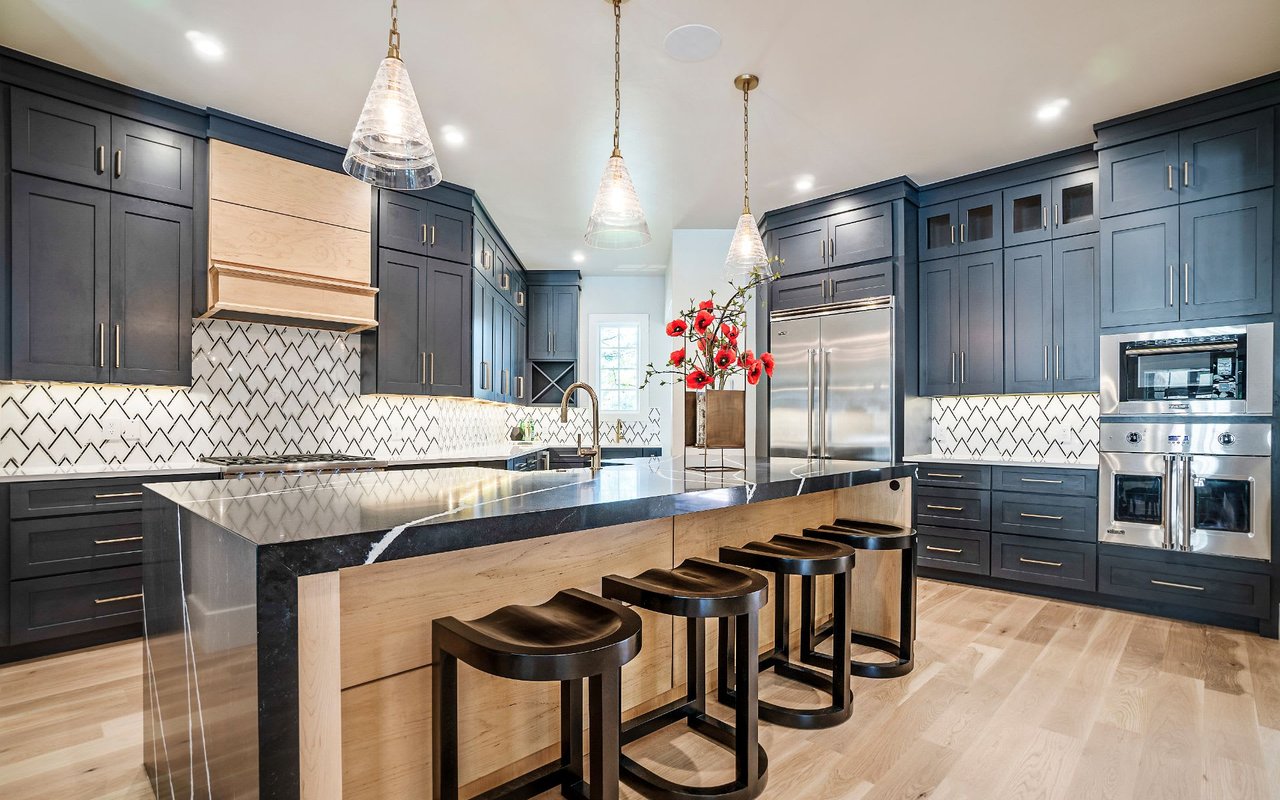
An organized home should make everyday life easier. However, some popular storage and organizing solutions can actually create more clutter, waste valuable space, or make frequently used items harder to find.
Whether you live in a compact condominium in Palo Alto, a traditional single-family home in Menlo Park, or a spacious residence in Atherton or Los Altos, effective organization is not simply about buying more shelves, baskets, and storage containers.
The goal is to create a home where your belongings have logical places, frequently used items are easy to access, and rooms remain comfortable and functional.
Here are 10 common home organization mistakes that can make clutter worse—and practical ways to fix them.
1. Installing Too Many Wall Hooks
Wall hooks can be an excellent organizing solution for entryways, mudrooms, bedrooms, and bathrooms. They provide convenient storage for coats, bags, hats, and other frequently used items.
However, adding too many hooks can create visual clutter, particularly in smaller spaces.
An entryway filled with coats, backpacks, scarves, and handbags may feel crowded even when everything is technically hanging in its designated place.
What to Do Instead
Use hooks primarily for items that family members need regularly.
- Keep only frequently worn coats and jackets near the entrance.
- Store off-season clothing in closets or other appropriate storage areas.
- Assign individual hooks to household members when practical.
- Consider a closed cabinet or coat closet for less frequently used items.
- Choose hooks and hardware that complement the room's design.
Home organization tip: If your entryway looks crowded even after everything is hung up, the solution may be to reduce the number of items rather than install additional hooks.
2. Buying More Shelves, Baskets, and Storage Boxes Before Decluttering
One of the most common organizing mistakes is purchasing storage products before evaluating what needs to be stored.
Additional shelves and matching containers may make a closet appear organized temporarily, but they can also encourage homeowners to keep belongings they no longer need.
Over time, storage spaces may become filled with items that are rarely used or have been forgotten.
What to Do Instead
Begin by reviewing the contents of the space before purchasing new storage products.
- Remove the items from the closet, cabinet, or storage area.
- Separate belongings into categories.
- Identify items to keep, donate, recycle, or discard.
- Group similar items together.
- Measure the available space.
- Purchase storage products only when they solve a specific problem.
This approach can reduce unnecessary purchases and help homeowners make better use of existing storage space.
Home organization tip: Decluttering first often reveals that you need fewer storage containers than originally expected.
3. Hiding Clutter Behind Curtains or Decorative Covers
Decorative curtains, fabric panels, and cabinet doors can create a clean appearance and work well in certain interiors.
However, hiding clutter does not necessarily solve the underlying organization problem.
A bookshelf covered with fabric may appear tidy from the outside, but if the contents remain disorganized, finding items can still be frustrating.
What to Do Instead
Organize the contents before deciding whether they should be visible or concealed.
- Use open shelves for attractive or frequently used items.
- Use closed cabinets for items that create visual clutter.
- Group smaller belongings into appropriately sized containers.
- Avoid stacking items so tightly that they become difficult to retrieve.
- Review stored belongings periodically.
Closed storage can be particularly useful in living rooms, home offices, and kitchens, where excessive visible clutter can make a space feel busy.
Home organization tip: Concealed storage works best when the contents are organized, not merely hidden.
4. Installing Cabinet Organizers That Are Difficult to Access
Kitchen and bathroom cabinets often contain deep shelves that make items difficult to reach.
Organizers can improve access, but poorly designed systems may create new problems.
For example, stacking several trays inside a deep cabinet can make it difficult to retrieve items stored at the back.
Similarly, baskets that must be completely removed every time you need something can become inconvenient.
What to Do Instead
Choose cabinet organizers based on the dimensions of the space and the items being stored.
- Consider pull-out drawers for deep lower cabinets.
- Use full-extension slides when appropriate.
- Install vertical dividers for baking trays and cutting boards.
- Use adjustable drawer organizers for utensils and small items.
- Measure cabinet openings, hinges, and plumbing obstructions before purchasing organizers.
For kitchen renovations, thoughtfully designed drawers and pull-out storage can improve everyday convenience.
Home organization tip: The best cabinet organization system is one that allows you to see and retrieve items without moving several other objects first.
5. Storing Everyday Essentials Out of Reach
High shelves and overhead cabinets can provide valuable storage, especially in homes with limited closet space.
However, these areas are generally better suited to items that are used occasionally.
Keeping everyday dishes, toiletries, or cooking equipment on high shelves can make ordinary tasks unnecessarily difficult.
It may also create safety concerns when residents repeatedly use chairs or unstable objects to reach stored belongings.
What to Do Instead
Organize storage according to how frequently items are used.
- Daily-use items: Keep within comfortable reach.
- Weekly-use items: Store in easily accessible cabinets or drawers.
- Occasional-use items: Place on higher or less accessible shelves.
- Seasonal items: Store in clearly identified containers in suitable storage areas.
Heavy objects should generally be stored on lower, stable shelves rather than overhead.
When access to elevated storage is necessary, use appropriate, stable equipment.
Home organization tip: Organize your home around your daily routine rather than simply filling every available shelf.
6. Choosing the Wrong Shoe Storage Solution
Shoes can quickly create clutter in entryways, bedrooms, and closets.
Many homeowners purchase shoe racks without first considering how much space is available or how the storage system will affect circulation.
A floor-standing shoe rack may work well in a spacious closet but make a narrow entryway feel crowded.
Likewise, an over-the-door organizer may save floor space but interfere with a door's operation or create an unattractive appearance.
What to Do Instead
Select shoe storage based on the layout of your home.
- Use a narrow shoe cabinet in compact entryways.
- Consider adjustable shelving in bedroom closets.
- Use floor-standing racks when adequate space is available.
- Keep frequently worn shoes near their point of use.
- Store seasonal or special-occasion shoes separately.
- Leave sufficient clearance for doors, walkways, and ventilation.
In smaller homes or condominiums, vertical storage can be particularly useful when it does not obstruct access or create excessive visual clutter.
Home organization tip: The best shoe organizer is the one that fits the available space and makes daily routines easier.
7. Keeping All Cleaning Supplies in One Location
Storing cleaning products in a single cabinet may seem efficient, but it can be inconvenient in larger or multilevel homes.
For example, keeping every cleaning product in a downstairs laundry room may make small bathroom or kitchen cleanups unnecessarily time-consuming.
However, distributing cleaning chemicals throughout the home without considering safety can create additional risks.
What to Do Instead
Establish a central location for major cleaning equipment while keeping appropriate everyday supplies near the areas where they are used.
- Store vacuum cleaners, mops, and larger equipment in a designated utility area.
- Keep frequently used cleaning tools near kitchens and bathrooms when appropriate.
- Use secure storage that prevents access by children and pets.
- Maintain products in their original labeled containers.
- Store chemicals according to manufacturer instructions.
- Never combine cleaning products unless the manufacturer explicitly directs it.
For larger Silicon Valley residences, a carefully organized laundry room or utility closet can provide centralized storage without sacrificing everyday convenience.
Home organization tip: Convenience matters, but safe storage should always take priority.
8. Buying Furniture Without Considering Storage Needs
Furniture plays a significant role in both the appearance and functionality of a room.
In homes with limited storage, choosing attractive furniture without considering how it will be used can create additional organization problems.
For example, a large coffee table may occupy valuable floor space without providing any practical storage.
On the other hand, furniture with built-in drawers, cabinets, or concealed compartments may help reduce visible clutter.
What to Do Instead
Consider furniture that combines comfort, appearance, and practical functionality.
- Storage ottomans for blankets and small accessories.
- Bed frames with integrated drawers.
- Nightstands with usable storage compartments.
- Entryway benches with shoe storage.
- Desks with cable management and file storage.
- Media cabinets that conceal electronic equipment.
However, multifunctional furniture is not always necessary. In larger rooms, a simpler design may be more appropriate.
The objective is to provide sufficient storage without overcrowding the space.
Home organization tip: Choose furniture that supports how you actually use the room rather than buying pieces based on appearance alone.
9. Using Storage Containers Without a Labeling System
Clear plastic containers can be useful because they make the contents visible.
However, transparent containers are not necessarily appropriate for every storage situation.
Opaque containers may provide a cleaner appearance, protect light-sensitive items, or work better in visible storage areas.
The real problem is failing to identify what each container holds.
Without a consistent system, homeowners may spend unnecessary time opening boxes to locate seasonal decorations, documents, sports equipment, or other belongings.
What to Do Instead
Create a simple labeling and categorization system.
- Use clear containers where visibility is helpful.
- Use opaque containers when appearance or light protection is important.
- Label containers clearly on an accessible side.
- Group belongings by category or purpose.
- Avoid mixing unrelated items in the same container.
- Choose stackable containers only when the shelving and load limits allow safe use.
For seasonal decorations and rarely used belongings, a written inventory or digital list can also be helpful.
Home organization tip: A labeled opaque container is often more useful than a transparent box filled with unrelated items.
10. Adding More Storage Furniture Instead of Eliminating Clutter
When a room feels disorganized, buying another cabinet, drawer unit, or storage cart can seem like an easy solution.
Sometimes additional storage is necessary, particularly in smaller residences.
However, purchasing furniture without evaluating existing belongings can make a room feel more crowded.
Plastic drawer units, rolling carts, and freestanding cabinets can all be useful when selected for a specific purpose.
The problem arises when they become places to store items that no longer serve a meaningful function.
What to Do Instead
Before adding more furniture, evaluate how the existing space is being used.
- Remove belongings that are no longer needed.
- Identify underused cabinets, drawers, and closets.
- Group similar items together.
- Evaluate whether existing furniture can be reorganized.
- Purchase additional storage only after identifying a genuine need.
In living rooms and bedrooms, reducing the number of unnecessary furniture pieces may improve circulation and make the room feel more spacious.
Home organization tip: Sometimes the most effective organizing solution is creating more open space rather than adding another storage unit.
How to Organize Your Home Without Spending a Fortune
Effective home organization does not require expensive custom closets or extensive remodeling.
Many improvements can be accomplished through relatively simple changes.
Start by evaluating one room at a time.
- Declutter: Remove unnecessary or unused belongings.
- Sort: Group similar items together.
- Prioritize: Keep frequently used items accessible.
- Measure: Understand the available storage dimensions.
- Organize: Select appropriate shelving, drawers, or containers.
- Label: Make stored belongings easy to identify.
- Maintain: Review the space periodically to prevent clutter from returning.
This approach can be applied to kitchens, bathrooms, bedrooms, home offices, garages, and other storage areas.
The key is developing a system that is practical enough to maintain over time.
Why Home Organization Matters When Selling Your House
Home organization can also be important when preparing a property for sale.
Buyers evaluating homes in Menlo Park, Palo Alto, Atherton, Los Altos, and other Silicon Valley communities often pay close attention to interior space, functionality, and storage.
A home that appears crowded with furniture and personal belongings may make it more difficult for buyers to understand the room's dimensions or imagine how they would use the space.
Conversely, organized rooms can help highlight architectural features, functional layouts, and available storage.
Before listing a home, consider:
- Removing excessive furniture and decorations.
- Organizing closets and kitchen cabinets.
- Clearing countertops and work surfaces.
- Reducing visible clutter in entryways.
- Organizing garages and storage rooms.
- Removing unnecessary personal items.
- Preparing rooms for professional photography and showings.
However, sellers should avoid making a home feel completely empty or impersonal if appropriate furniture and staging would better demonstrate its functionality.
The objective is to create a welcoming environment that allows buyers to appreciate the property's layout and features.
Does an Organized Home Increase Property Value?
Organizing and decluttering a home does not directly increase its square footage, lot size, or underlying land value.
However, presentation can influence how potential buyers perceive the property.
Organized spaces may appear more functional, make rooms easier to understand, and allow buyers to focus on the home's features rather than its contents.
Professional staging and thoughtful preparation can also help create more attractive listing photographs.
Nevertheless, there is no guarantee that decluttering or staging will produce a particular increase in sale price.
Actual property value depends on factors such as location, condition, size, amenities, comparable sales, and current market demand.
Frequently Asked Questions About Home Organization
What is the biggest mistake people make when organizing their homes?
One of the most common mistakes is purchasing additional storage products before deciding which belongings are worth keeping. Decluttering first often reduces the amount of storage needed.
How can I organize a small home with limited closet space?
Consider vertical storage, appropriately sized furniture, drawer organizers, and under-bed storage. Prioritize everyday items and avoid overcrowding rooms with unnecessary storage units.
Are clear storage containers better than opaque containers?
Both can work well. Clear containers make contents visible, while opaque containers can provide a cleaner appearance or protect certain belongings from light. Labels and consistent categories are often more important than the container's transparency.
Should I organize my closets before selling my house?
Yes. Organized closets can help prospective buyers evaluate available storage space and understand how efficiently the home functions.
Does home staging include decluttering?
Decluttering is often an important part of preparing a home for staging. However, staging may also include furniture arrangement, lighting, accessories, and other changes designed to present the property's features effectively.
Do I need custom closets to keep my home organized?
No. Custom storage systems can be useful, but many homes can be organized effectively with existing cabinets, adjustable shelves, appropriately sized containers, and thoughtful furniture placement.
Final Thoughts: Good Home Organization Starts With Simplicity
A well-organized home does not need to look like a showroom or contain expensive storage systems.
The most effective organization strategies make everyday activities easier, reduce unnecessary clutter, and create spaces that are comfortable to use.
Before purchasing additional organizers, cabinets, or furniture, consider whether you can improve the space by simplifying what you already own.
For homeowners preparing to sell, decluttering and thoughtful presentation may also help prospective buyers appreciate the home's layout, storage capacity, and overall appeal.
The best home organization system is one that suits your lifestyle, uses available space efficiently, and remains easy to maintain.
Preparing to Sell Your Silicon Valley Home?
At Milad Real Estate, we assist homeowners throughout Menlo Park, Palo Alto, Atherton, Los Altos, Redwood City, Woodside, Portola Valley, and surrounding Silicon Valley communities.
As both a real estate broker and attorney, Aria Vatankhah brings experience in residential real estate transactions, property preparation, contractual matters, and land-use considerations.
Whether you are preparing a property for sale, evaluating its market value, or planning your next move, thoughtful preparation can be an important part of the selling process.
Visit our property valuation page or contact Milad Real Estate to discuss your real estate goals.
Aria Vatankhah
Founder, Milad Real Estate
Real Estate Broker | Attorney at Law
DRE License No. 01892083
Phone: 650-799-8168
Email: [email protected]
Updated November 2026. Home organization recommendations are general guidance. Storage products should be selected and installed according to their intended use and safety instructions. Home presentation and staging do not guarantee any particular sale price or transaction outcome.